



Quotidien bébé
–
Bébé pleure de fatigue mais ne veut pas dormir : causes et solutions
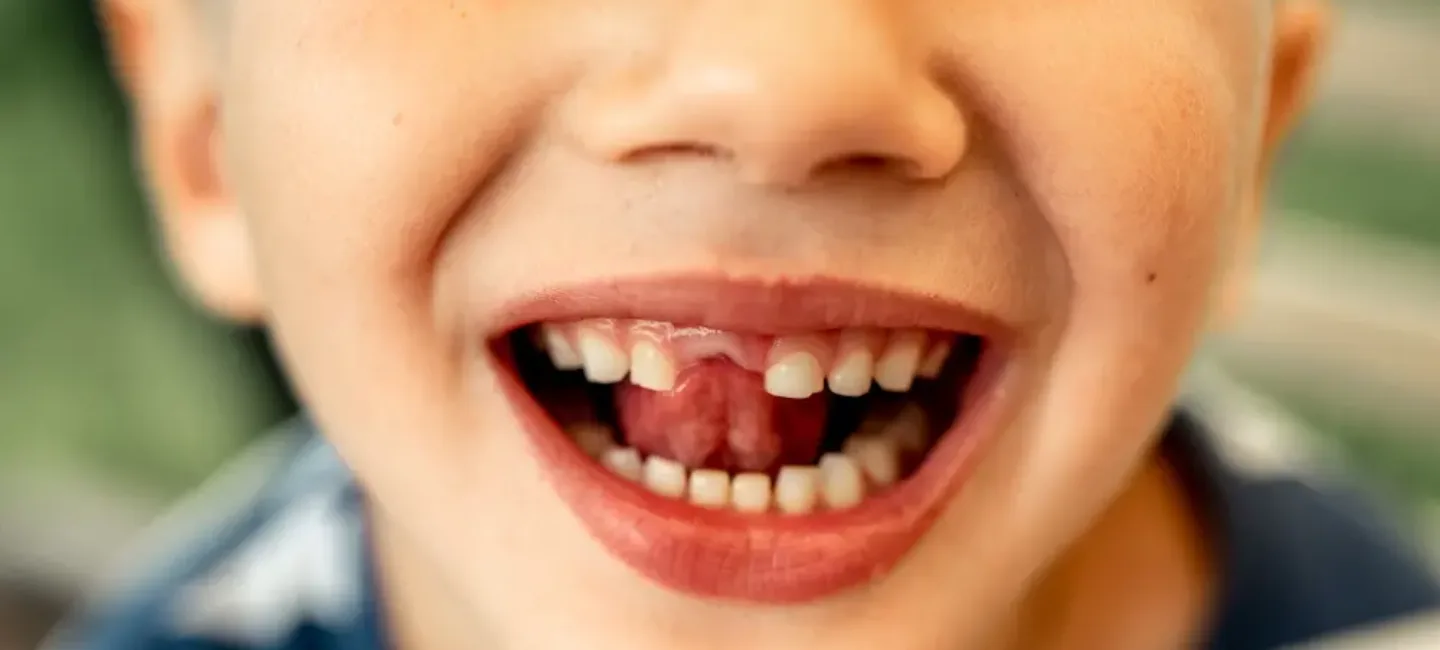
Ah, baby teeth! Their appearance marks the beginning of an important stage for your baby, but their eruption can also cause some discomfort. How can you relieve teething and when should you schedule a dental visit?
Baby teeth: here’s everything you need to know.
When the first teeth come in, we often say that the child is “teething,” which isn’t entirely accurate since it’s actually the eruption of the teeth. And while every child develops at their own pace, this eruption usually follows a specific timeline.
Baby teeth, also known as primary teeth, typically begin to emerge in babies between 4 and 14 months.
By age 3, most children have their full set of 20 baby teeth.
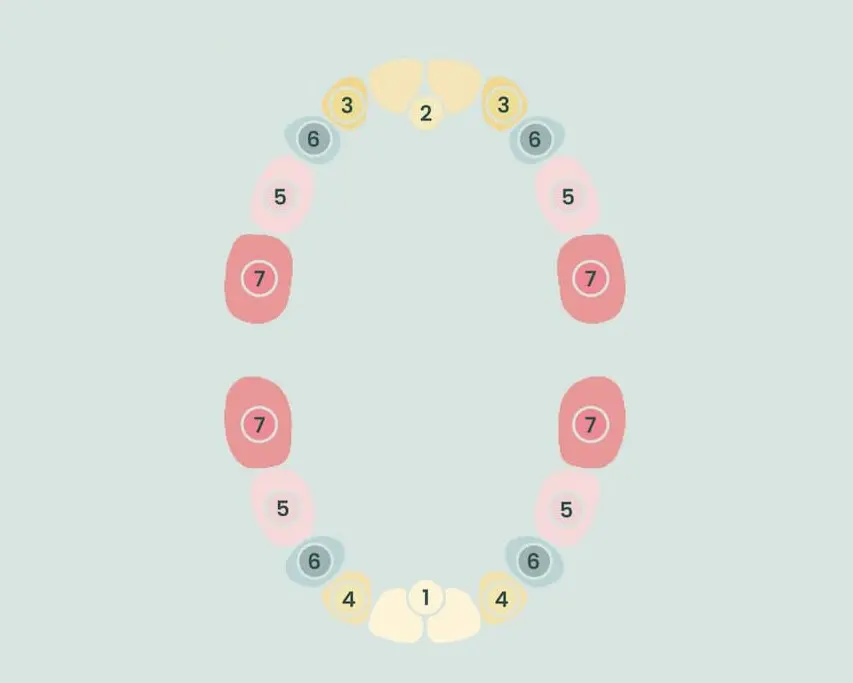
The transition from baby teeth to permanent teeth generally begins around age 5 or 6. This process can extend into adolescence. Here’s how it typically unfolds:
Good to know: it’s important not to pull out teeth too early. If a baby tooth is too resistant, it’s best to consult a dentist for professional advice.
Although temporary, baby teeth play a crucial role in your child’s overall development.
Baby teeth allow your child to chew food properly, which is essential for good digestion and nutrient absorption. Incisors and canines help cut food, while molars are used for grinding. Effective chewing also helps develop jaw muscles, preparing the way for permanent teeth.
Baby teeth are also key to speech development as they help articulate sounds and words, supporting language learning. For example, incisors are involved in producing sounds like « s » and « f ». A healthy set of teeth helps your child speak clearly and be understood.
Baby teeth act as guides for the alignment of permanent teeth. They hold space in the jaw, ensuring it develops properly. Without them, gums might recede or develop unevenly, which could lead to orthodontic issues later on.
Additionally, these temporary teeth stimulate jawbone growth. They help maintain the necessary spacing for permanent teeth, reducing the risk of crowding. That’s why it’s important to schedule regular dentist visits to monitor jaw development and intervene if needed.

Teething can come with discomfort and pain. Here are some tips to relieve teething and make the process easier for your baby.
Want to learn more? Feel free to download the May app, where you’ll find plenty of resources to support and guide you throughout your pregnancy.

Even though they’re temporary, baby teeth require careful attention to ensure good oral health and prevent cavities. Here are some tips.
Learning to brush teeth is an important milestone. As soon as the first teeth appear, it’s important to establish good brushing habits. Here are some recommendations:
Until age 5, an adult should do the brushing. Then, until 7–8 years old, brushing should be supervised.
To encourage your child through imitation, you can brush your teeth together as a family — it’s fun and effective!
Regular dentist visits help monitor baby teeth health and prevent future issues.
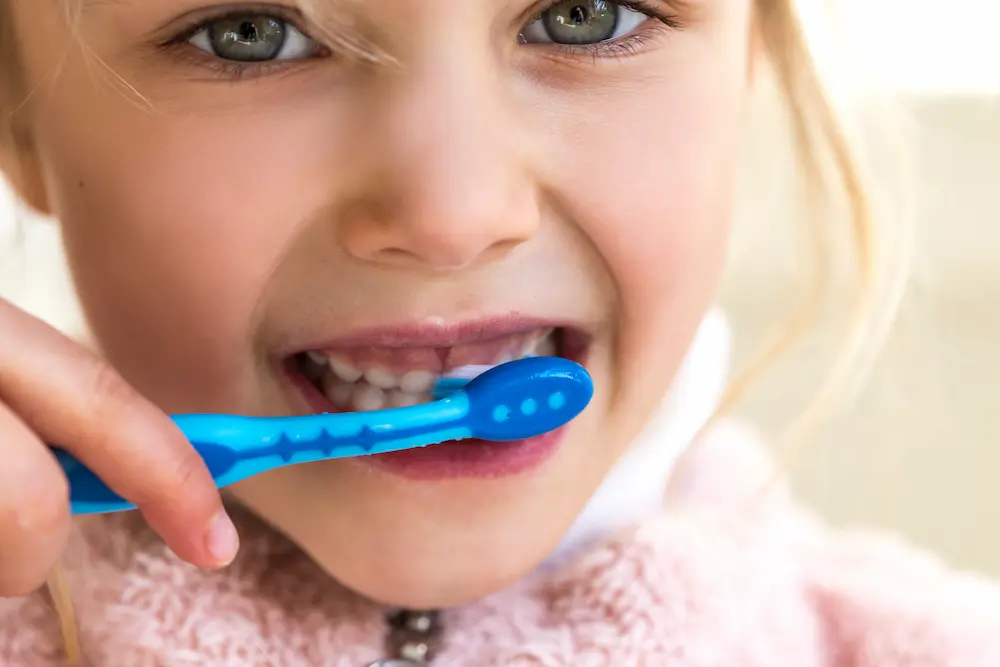
Cavities are one of the most common dental issues in children. Baby teeth, despite being temporary, are especially vulnerable to decay due to thinner enamel. Here are some risk factors and solutions:
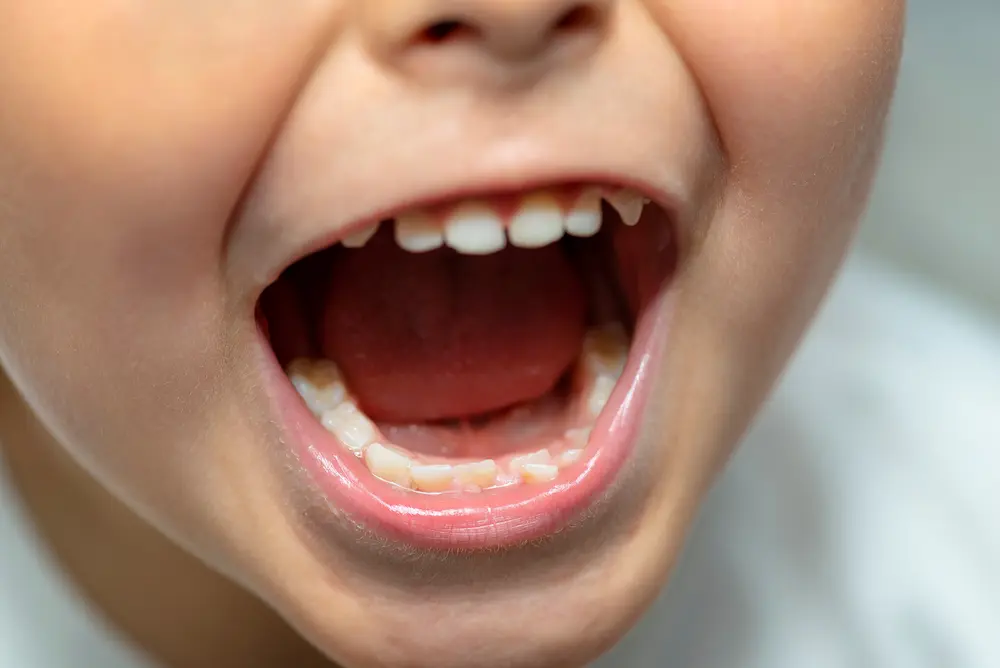
Although they’re not permanent, a fall involving baby teeth must be monitored — initially at home and then by a dentist within the day if:
Make an appointment within 24–48 hours (up to one week) if:
A dental check-up can wait up to a week if the tooth is only sore when tapped. In any case, if your child is in distress or you are concerned, consult a healthcare professional.
Although temporary, baby teeth play a key role in chewing, speech, and the alignment of future permanent teeth. It’s important to care for them and visit the dentist regularly. If you have doubts or concerns, don’t hesitate to consult a healthcare professional.

Photos: buregina | insidecreativehouse | nastuffa | westend61 | Kinek00 | NadezhdaNovikova
This text was translated from French by an artificial intelligence. The information, advice, and sources it contains comply with French standards and may therefore not apply to your situation. Make sure to complement this reading by visiting the May ES/UK app and consulting the healthcare professionals who are supporting you.
Il est possible que certains liens ci-dessous ne soient plus actifs. Dans ce cas, n'hésitez pas à vous référer directement aux sites concernés.
Inscrivez-vous
à notre newsletter
pour recevoir nos conseils pour prendre soin de votre bébé
Vous serez ainsi alerté lors de la publication de nouveaux articles.

Ces ressources pourraient vous intéresser
Bébé pleure de fatigue mais ne veut pas dormir : causes et solutions


Projet de naissance papa / co-parent : trouver sa place à chaque étape