

Pregnancy Timeline
–
Orthostatic hypotension during pregnancy: understanding and preventing It

Hormonal changes related to pregnancy can promote the appearance of boils, sometimes requiring special attention. What are the risks of a boil during pregnancy? When should you be concerned and what treatments are safe for your baby?
Boil during pregnancy dangerous: let’s take a closer look.
To better understand the risks and precautions to take during pregnancy, it is essential to know what a boil is and why this period can promote its appearance.
A boil is a deep, localized, and painful skin infection caused by bacteria. This inflammatory lesion begins in a pilosebaceous follicle, the root of a hair, which once infected develops into a red, swollen, and warm sore. Quickly, the infection forms a painful pus-filled nodule that may open spontaneously and release this yellowish fluid.
The classic clinical signs of a boil include:
A boil differs from other skin infections such as impetigo, an abscess, or infected eczema due to its depth, nodular appearance, and the systematic presence of pus.
Pregnancy is a period of major changes, especially for your skin and immune system, which can make you more vulnerable to skin infections such as boils. Several specific factors are involved:
Want to learn more? Feel free to download the May app, where you’ll find plenty of resources to support and guide you throughout your pregnancy.

Although a boil is most often harmless and heals on its own, certain situations require special attention, especially during pregnancy when treatment options must be carefully evaluated.
Even though most boils evolve favorably, certain symptoms should prompt you to consult a healthcare professional quickly:
A boil during pregnancy can sometimes develop into an abscess that is difficult to drain and may require appropriate antibiotic treatment (such as amoxicillin) or even a medical procedure. However, some antibiotics should be avoided during this period, while others require close monitoring.
It is therefore essential never to self-medicate and to seek advice from a professional before taking any medication, even for a seemingly minor issue. Regular medical follow-up will help choose the safest treatment and avoid complications.
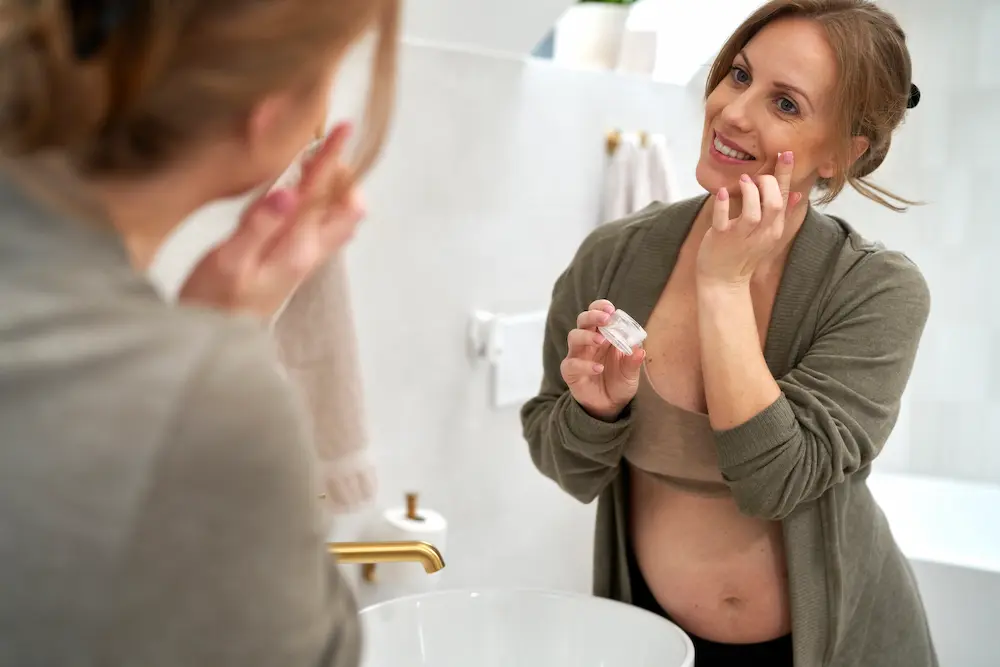
There are treatments adapted for when a boil appears during pregnancy. Your healthcare professional will know which one to prescribe.
The first steps to promote the healing of a boil rely on hygiene measures and local care:
As you can see, self-medication is strongly discouraged during pregnancy. Even if some medications seem harmless, using them without medical advice can expose both you and your baby to risks.

Simple actions and appropriate vigilance can reduce the risk of skin infections and prevent their spread. Here is how to protect your skin in everyday life.
During pregnancy, your skin often becomes more sensitive and your immune system experiences variations that promote the growth of bacteria such as staphylococcus. To limit the appearance of infectious skin lesions, here are some simple hygiene measures to adopt:
In summary, although a boil during pregnancy is most often harmless, it deserves special attention. Hormonal and immune changes can promote its appearance and, in some cases, complicate its progression.
Adopting good hygiene habits, avoiding manipulating the lesion, and consulting quickly in case of warning signs generally help prevent complications. If in doubt, it is always best to seek advice from a healthcare professional to receive treatment that is safe and appropriate for both you and your baby.
**
Photo credits: nd3000 | drazenphoto | gpointstudio | drazenphoto
This text was translated from French by an artificial intelligence. The information, advice, and sources it contains comply with French standards and may therefore not apply to your situation. Make sure to complement this reading by visiting the May US/UK app and consulting the healthcare professionals who are supporting you.
Some of the links below may no longer be active. In that case, please feel free to refer directly to the relevant websites.
These resources might interest you
Orthostatic hypotension during pregnancy: understanding and preventing It