


Pregnancy Timeline
–
Pregnancy: Popping noise in the belly — should you be concerned?

During pregnancy, it is recommended to maintain appropriate physical activity in order to preserve your fitness, well-being, and health. Gentle sports practiced at a moderate pace can help you better cope with the changes in your body related to pregnancy. But can you paddleboard while pregnant? What are the risks? What precautions should you take? Let’s take a closer look.
Paddleboarding can absolutely be included in the list of activities you can do during pregnancy.
Paddleboarding is an activity that can be very relaxing and can therefore promote a sense of well-being. If you are not familiar with it, paddleboarding is a water sport practiced using a board and a paddle. You can let yourself be carried by the water, feel the steady rhythm of the paddle, and enjoy the calm of a beautiful landscape.
Pregnancy can sometimes be stressful, so if paddleboarding helps you reduce that stress and feel good while also getting physical activity, it’s a win-win! Practicing a sport stimulates your production of endorphins, those happiness hormones that improve mood and morale. It can also help prevent the onset of depression during pregnancy.
Paddleboarding gently works your entire body, without harsh impact on your joints. In particular, paddleboarding helps with:
Paddleboarding and other water activities such as canoeing or kayaking are therefore excellent options for staying active while respecting your body’s limits.
Want to learn more? Feel free to download the May app, where you’ll find plenty of resources to support and guide you throughout your pregnancy.
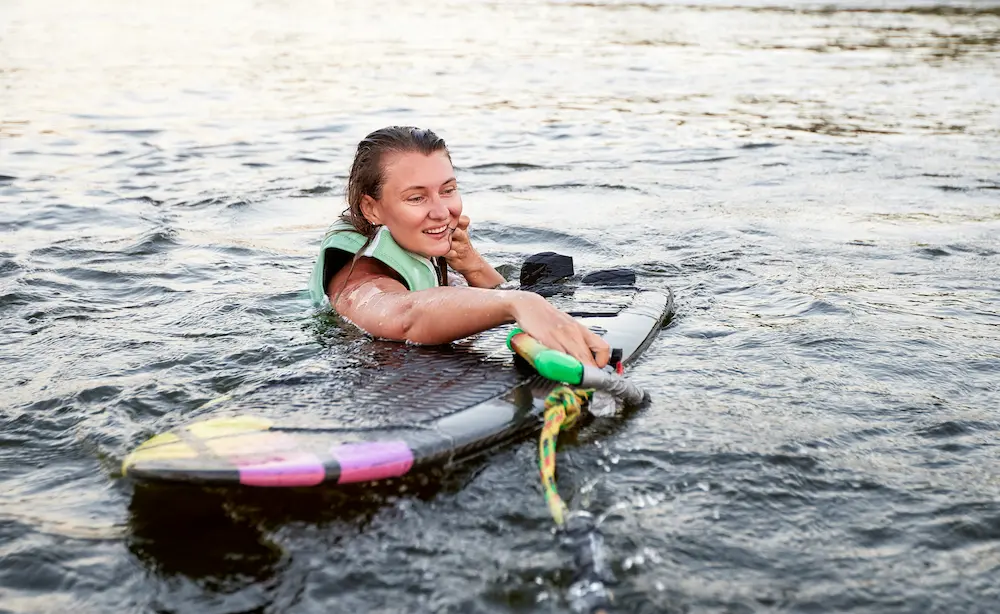
Before enjoying the pleasures of paddleboarding, it is essential to take certain precautions to ensure your safety and your baby’s safety.
Before starting or continuing paddleboarding, we recommend that you consult your doctor or midwife. Every pregnancy is unique, and only your healthcare professional will be able to assess whether practicing a water activity such as paddleboarding is appropriate for your personal situation. This step makes it possible to:
While paddleboarding, try as much as possible to listen to your body. Here are some tips for adjusting your practice depending on the trimester and how you feel:

Paddleboarding while pregnant requires particular attention when it comes to choosing equipment and following safety measures. Adapting your gear and respecting certain rules makes it possible to enjoy outings with peace of mind, even while pregnant.
To ensure your comfort and safety, it is essential to choose your equipment carefully:
During pregnancy, your safety is the most important thing. Here are a few recommendations to follow:
Also keep in mind that your balance is affected by your growing belly during pregnancy, increasing the risk of falling. Be particularly attentive in these situations:
If any of these symptoms appear, get out of the water immediately, rest, and contact your doctor or midwife.
Safety always comes before performance. To enjoy its benefits while preserving your health and your baby’s health, paddleboarding should remain a gentle and enjoyable leisure activity, adapted to your abilities at the time.
In summary, when practiced under the right conditions, paddleboarding can be a gentle, beneficial activity during pregnancy. In addition to helping you stay active, paddleboarding promotes your well-being while offering you a moment of connection with nature.
As with any sport during pregnancy, the key is to adapt your practice to your body, your level, and the progression of your pregnancy. The opinion of your healthcare professional, the choice of suitable equipment, and following safety rules allow you to enjoy paddleboarding with peace of mind.
**
Photo credits: solerfotostock | Gerain0812 | YuriArcursPeopleimages
This text was translated from French by an artificial intelligence. The information, advice, and sources it contains comply with French standards and may therefore not apply to your situation. Make sure to complement this reading by visiting the May US/UK app and consulting the healthcare professionals who are supporting you.
Some of the links below may no longer be active. In that case, please feel free to refer directly to the relevant websites.
These resources might interest you
Pregnancy: Popping noise in the belly — should you be concerned?