


Développement bébé
–
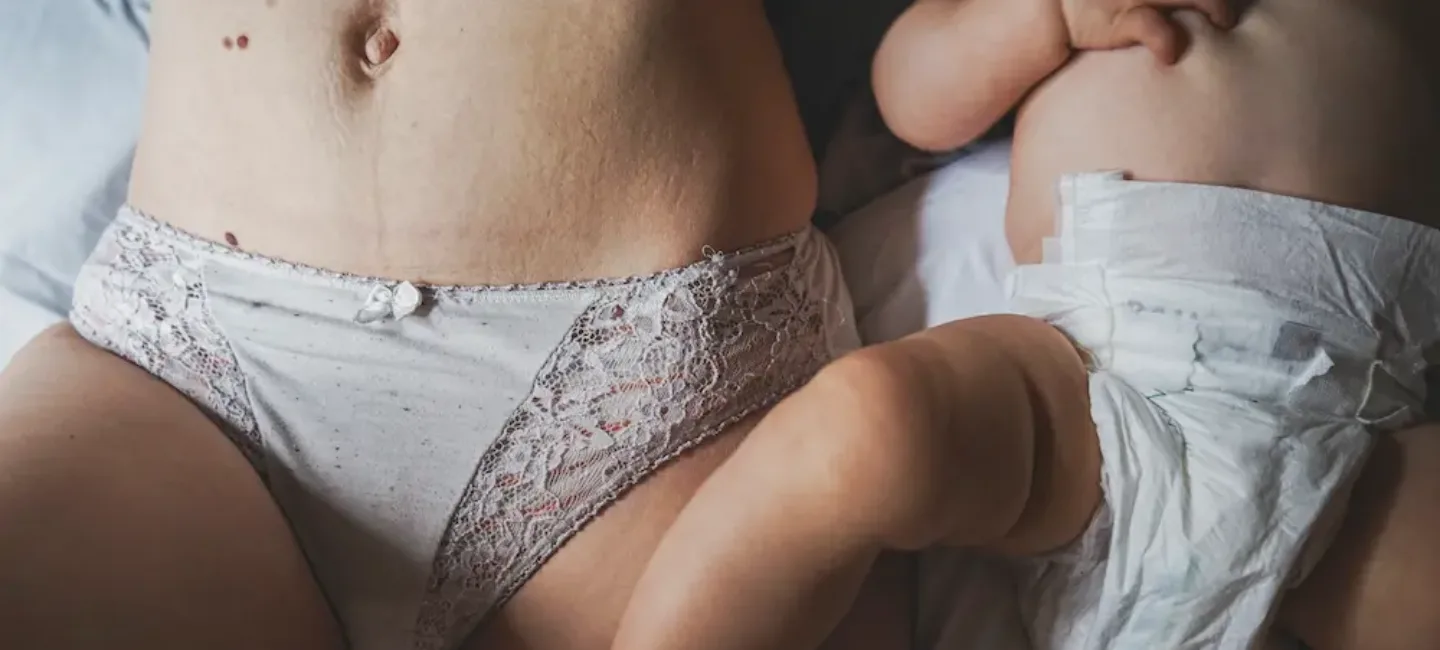
After the birth of your baby, your body begins an important recovery process. Your uterus, in particular, must return to its original size, causing contractions known as “postpartum uterine cramps.” What are they? What are the symptoms and how can they be relieved?
Postpartum uterine cramps: let’s take a closer look.
Postpartum uterine cramps are uterine contractions that occur in the days following birth, whether the delivery was vaginal or by cesarean section.
These contractions are normal during the postpartum period and are an integral part of the body’s recovery process after childbirth.
Postpartum uterine cramps are triggered by the need for the uterus to return to its pre-pregnancy size. Right after your baby is born, your uterus, which has reached the size of a large watermelon or cabbage, must gradually shrink back to about the size of a clementine. This process of uterine involution is made possible by repeated contractions, sometimes painful, that occur after delivery.
These contractions help to:
Good to know: The WHO recommends an oxytocin injection immediately after birth to help deliver the placenta.
In some cases, postpartum uterine cramps may be more pronounced in certain patients:
Want to learn more? Feel free to download the May app, where you’ll find plenty of resources to support and guide you throughout your journey as a new parent.

After childbirth, it is completely normal to experience postpartum uterine cramps. Here is what you need to know about their symptoms and duration.
Postpartum uterine cramps mainly present as:
Some patients only feel mild discomfort, while others describe intense pain. It is also common to notice postpartum bleeding at the same time, especially lochia, which is normal after childbirth.
The duration of postpartum uterine cramps is generally limited. After one week, the contractions should no longer be noticeable, although some discomfort may persist. The uterus takes about 6 weeks to return to its normal size. 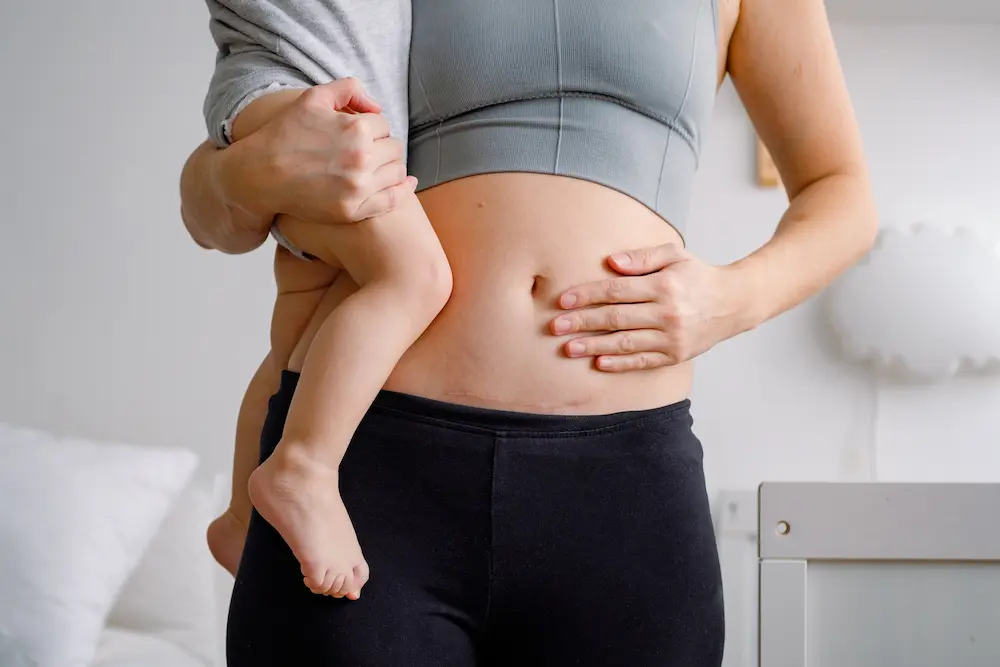
Some women will feel almost nothing, while others may need specific support.
It is important to stay alert to certain warning signs during postpartum uterine cramps. Seek medical advice promptly if you notice:
These symptoms may indicate a complication requiring prompt care.
If in doubt, take advantage of home visits by a midwife during the postpartum period. These consultations help monitor proper healing, check bleeding, ensure the uterus is shrinking properly, and address all your questions about postpartum recovery or parenthood.
Postpartum uterine cramps can be surprising and sometimes very painful. Fortunately, there are simple actions and solutions to help ease these contractions. At home, consider:
In case of intense pain, do not hesitate to seek help from your medical team. Healthcare professionals can prescribe appropriate pain relief. Painkillers are usually offered as a first-line option and are compatible with breastfeeding.
Once the acute phase has passed, your midwife or gynecologist will support you with perineal rehabilitation and the prevention of urinary issues that may occur after childbirth.
“These well-known cramps are among the common discomforts of the first few days. To reduce the pain, beyond medication, a heating pad is extremely helpful! Remember to bring one with you for your maternity stay, as it’s not always available on site.”
In summary, postpartum uterine cramps are part of the normal physiological processes that accompany your body’s recovery after childbirth. Their intensity varies from person to person, but in most cases, they fade within a few days. Stay attentive to your body’s signals and do not hesitate to seek support from a healthcare professional.
**
Photo credits: nanihta | micens | buregina | voronaman111
This text was translated from French by an artificial intelligence. The information, advice, and sources it contains comply with French standards and may therefore not apply to your situation. Make sure to complement this reading by visiting the May US/UK app and consulting the healthcare professionals who are supporting you.
Some of the links below may no longer be active. In that case, please feel free to refer directly to the relevant websites.
These resources might interest you
Armpit pain during pregnancy: causes, symptoms, and solutions