


Pregnancy Timeline
–
Pregnancy: Popping noise in the belly — should you be concerned?

After a feeding, your baby may need to burp. This small gesture is an essential physiological reflex. Why is burping so important for your infant? What are the best practices to encourage burping after breastfeeding?
Burping your baby after breastfeeding: here’s what you need to know.
Infant burping is a natural reflex that contributes to your baby’s comfort after feeding. Understanding the role of burping, knowing how to encourage it, and adopting good breastfeeding habits helps soothe your baby and makes feedings more enjoyable for both of you.
During feeding, whether at the breast or with a bottle, your infant swallows not only breast milk or formula but also a small amount of air. This air can build up in the stomach and cause discomfort, or even crying or colic. This is a completely natural physiological phenomenon that often occurs during your baby’s first months of life.
Your baby therefore needs to expel this excess air through a burp. It is important to distinguish burping from regurgitation, which involves the upward flow of a small amount of milk, sometimes mixed with saliva, due to the immaturity of the sphincter between the stomach and the esophagus.
Helping your baby burp after each feeding provides several benefits for digestive comfort:
Burping is not always necessary, especially for breastfed babies whose sucking is often gentler and more effective, reducing air intake. Although the sucking reflex is innate, it may take time to become fully efficient.
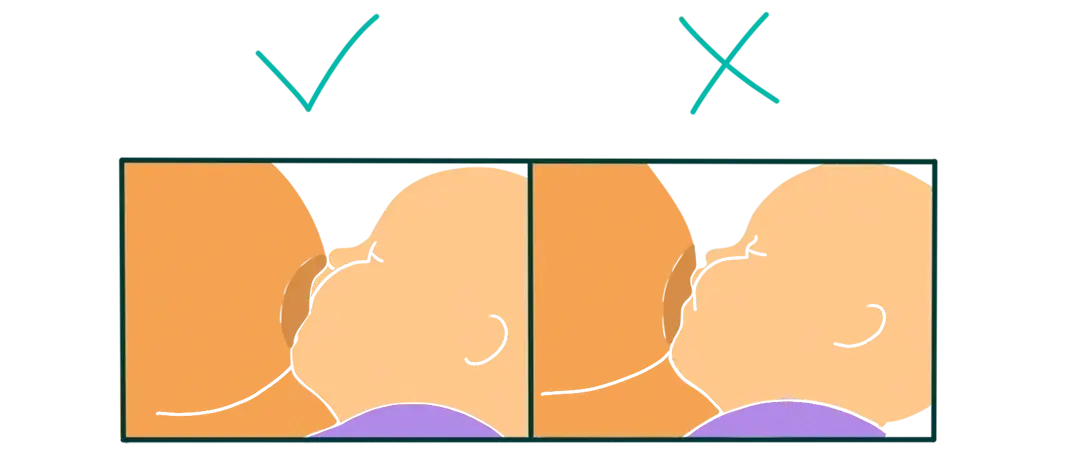
For a comfortable and effective feeding session, it is essential that both you and your baby are well positioned:
Finally, there are many ways to breastfeed. If feeding is not painful and milk transfer is effective, there is no need to change positions. The right position is the one that works for both of you.
Want to learn more? Feel free to download the May app, where you’ll find plenty of resources to support and guide you throughout your journey as a new parent.
Helping your baby burp after breastfeeding is a simple yet valuable gesture to prevent discomfort, colic, and small regurgitations. Here are proven methods to support this physiological reflex daily, whether your baby is breastfed or bottle-fed.
Some positions make it easier for your infant to expel swallowed air during feedings. Here are the most effective and comfortable ones:
Good to know: Your baby’s position after feeding also matters. Hold your baby upright, in your arms or in a baby carrier, for 20 to 30 minutes after each meal. This encourages natural milk descent and air release, reducing reflux risks and supporting effective burping. After feeding, avoid semi-reclined baby seats and car seats, which compress the infant’s abdomen.
A few simple actions can encourage your baby to burp after breastfeeding and improve their comfort:
In addition to these tips, closeness, cuddles, skin-to-skin contact, and patience reassure your baby, strengthen your bond, and support calmer digestion—especially during the first months. 
Although burping after feeding is usually natural and physiological, certain signs in your baby may require medical attention.
While most burps and regurgitations are harmless, some warning signs should prompt you to consult quickly:
Your pediatrician supports you throughout the first months to ensure that your baby’s feeding routine is appropriate. During regular check-ups, they:
This follow-up helps detect any potential concerns early and tailor advice to your situation. Never hesitate to share your observations or concerns. Every baby has their own rhythm.
In summary, ensuring your baby’s digestive comfort involves simple actions. Helping release swallowed air prevents colic, regurgitation, and crying caused by uncomfortable digestion. A good feeding position, proper baby alignment, and gentle handling are often enough to support this process.
Each baby is unique—some need to burp after every feeding, while others need it less often. The most important thing is that your baby is calm, digests well, and gains weight normally. If you notice any unusual symptoms or have concerns, don’t hesitate to speak with a healthcare professional.
**
Photo credits: marne123424 | nd3000
Peux-tu traduire le texte WordPress en anglais US tout en conservant intactes toutes les balises HTML (titres, styles, balises <span>, etc.) ? Je veux uniquement que le contenu textuel soit traduit, sans toucher à la structure HTML. Retire les liens qui commencent par <a href= (sauf s’il s’agit d’une image) mais laisse tout le reste. Envoie-moi l’intégralité de la traduction dans cette conversation, en faisant le moins de messages possible.
Some of the links below may no longer be active. In that case, please feel free to refer directly to the relevant websites.
These resources might interest you
Pregnancy: Popping noise in the belly — should you be concerned?