



During pregnancy, due to hormonal changes, it is not uncommon to experience tooth pain. Among various home remedies, cloves may help relieve dental pain. What should you know before using them? What other natural alternatives can help ease a toothache? When should you seek care?
Toothache during pregnancy: what should you think about cloves? Let’s take a closer look.
Dental pain in pregnant women
During pregnancy, you may experience toothaches that you didn’t have before. Why are these dental pains more common during this period?
Pregnancy is a time of major hormonal changes, particularly due to increased estrogen and progesterone levels. These pregnancy hormones can directly affect your oral health and lead to several consequences:
- Gum inflammation: hormones make gums more sensitive and promote pregnancy gingivitis. According to French Health Insurance, this condition affects up to 70% of pregnant women.
- Bleeding and swelling: even minor irritation can cause red, swollen, sometimes painful gums that bleed easily when brushing.
- Increased risk of infection: if gingivitis is not treated, it can progress to periodontitis, a deeper infection that weakens the tooth and its supporting tissues. Oral infectious diseases, such as periodontitis, are associated with a higher risk of preterm birth and complications for babies.
- Increased tooth sensitivity: teeth may become more sensitive to temperature changes or sugary foods.
This hormonal context makes toothaches more frequent and sometimes more intense.
Warning: an untreated infection can develop into an abscess, requiring prompt dental care.
Want to learn more? Feel free to download the May app, where you’ll find plenty of resources to support and guide you throughout your pregnancy.

What are the properties of cloves?
To relieve a toothache, one natural remedy is often mentioned: cloves.
Cloves are dried flower buds from the clove tree, used for centuries to relieve dental pain. Their reputation as a natural dental remedy mainly comes from the presence of an active compound called eugenol.
This active compound is believed to give cloves anesthetic and antiseptic properties. Eugenol acts as a local pain reliever by partially blocking the transmission of the nerve signals responsible for dental pain. It also has anti-inflammatory and antibacterial effects, helping to limit the growth of germs responsible for dental infections and abscesses.
Some people apply cloves directly by placing them against the painful tooth or gum, while others use them in the form of essential oils or mouthwashes. However, during pregnancy, the forms of use must be considered carefully, and although cloves may temporarily relieve dental pain or inflamed gums, they do not replace medical advice.
Good to know: the use of essential oils during pregnancy requires great caution. It is recommended to consult your healthcare professional before any use.

Cloves and pregnancy: what you need to know
If you are suffering from a toothache, it is understandable to consider a natural remedy like cloves to relieve your pain. But what do healthcare professionals say?
No strong clinical studies or official recommendations validate the use of cloves for pregnant women with toothaches. Therefore, the precautionary principle applies in everyday practice.
It is recommended to discuss it with your healthcare professional before using cloves, in any form, to relieve a toothache or painful gums.
Cloves are safe in cooking at usual amounts. However, since sufficient safety data is lacking, their use in concentrated forms (topical application or essential oil) is not recommended during pregnancy without medical advice.
Cloves should not replace a visit to the dentist either. In case of severe dental pain, abscess, toothache, or inflamed gums, you should seek prompt care.

Natural alternatives to relieve toothache during pregnancy
Although cloves are often mentioned to ease toothache or soothe painful gums, other natural alternatives exist. Here are some recommended remedies compatible with pregnancy:
- Saltwater mouthwash: dissolve a teaspoon of baking soda in a glass of warm water and gently rinse your mouth. This helps clean the mouth, reduce gum inflammation, and limit bacterial growth, without risk during pregnancy.
- Cold compresses: apply an ice pack wrapped in a clean cloth to your cheek where the pain is located. Cold acts as a natural anti-inflammatory, helping to relieve pain and reduce swelling.
- Good oral hygiene: regular brushing and flossing help prevent worsening pain and avoid infections.
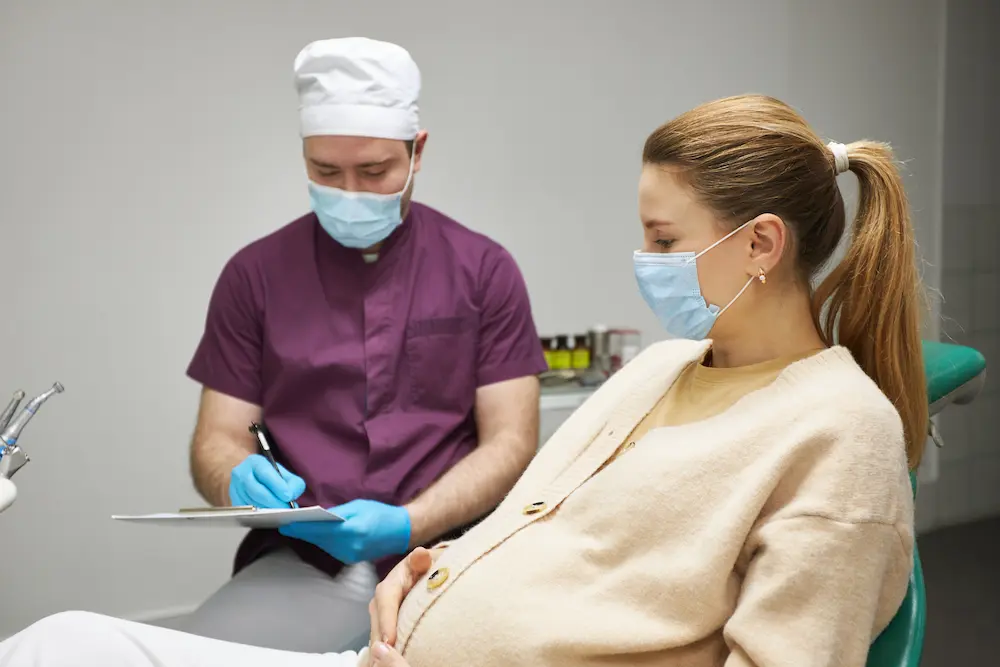
When should you see a dentist for toothache during pregnancy?
Even the best natural remedies do not replace a dental consultation. Pregnancy makes gums and teeth more vulnerable to infections and complications. Do not delay making an appointment if:
- The toothache lasts more than 48 hours.
- You have swelling, red gums, or notice pus.
- You have a fever.
- You experience severe pain, a throbbing toothache, or difficulty chewing.
- You notice significant gum bleeding, loose teeth, or persistent bad breath.
Pregnancy is the ideal time to review your oral health. As part of pregnancy medical follow-up, a preventive dental check-up is offered and covered during pregnancy starting from the 4th month. This assessment includes:
- A personalized consultation with a dentist to assess the condition of your teeth and gums, and detect possible cavities, inflammation, or dental abscesses.
- Personalized advice on oral hygiene, diet, and precautions to take with certain remedies, such as cloves.
- If needed, additional examinations and a tailored treatment plan may be proposed.
This appointment is an opportunity to ask all your questions, especially about natural remedies such as cloves.
During pregnancy, dental pain is common and should be taken seriously. While natural remedies like cloves may seem effective for temporary relief, their use should be approached with caution and always discussed with a healthcare professional.
**
Photo credits: snegok1967 | shotprime | prathanchorruangask | sedrik2007 | msvyatkovska
This text was translated from French by an artificial intelligence. The information, advice, and sources it contains comply with French standards and may therefore not apply to your situation. Make sure to complement this reading by visiting the May US/UK app and consulting the healthcare professionals who are supporting you.