


Pregnancy Timeline
–
Pregnancy: Popping noise in the belly — should you be concerned?

Burns in children are a common household accident that can happen very quickly, often in everyday situations: a liquid that is too hot, a hot object, bath water that is too warm… Is it serious? Should you seek medical care? What should you do right away? Burned child: here’s what you need to know.
A burn is damage to the skin affecting the epidermis and sometimes the dermis. It is a skin injury that can develop into an infection if not properly treated. Depending on its depth and the body surface area involved, a burn can be superficial or deep, and may cause a local inflammatory reaction with redness, pain, irritation, or itching. If your child has been burned and you are in one of the following situations, do not hesitate, call 911 immediately :
To assess the severity of a burn, it is helpful to know the different degrees and their symptoms:
“Do not judge the severity of a burn based on how much pain your child is in. A deep burn may hurt relatively little and vice versa. Assessing severity based solely on pain can be misleading.” As always, call 911 if you notice any of the following symptoms:
Want to learn more? Feel free to download the May app, where you’ll find plenty of resources to support and guide you throughout your journey as a new parent. 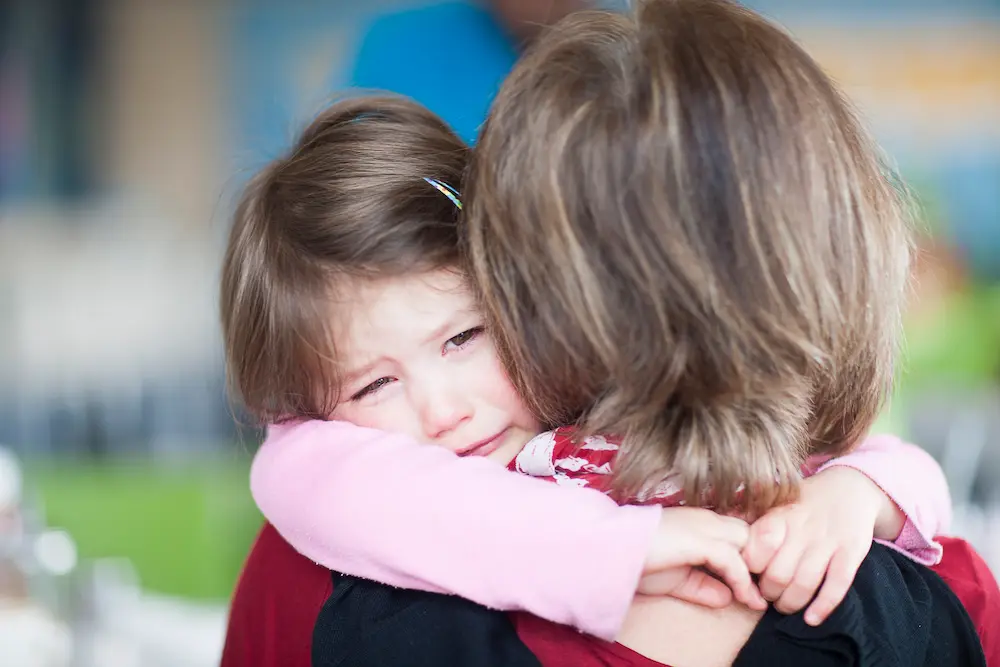
You are dealing with a first-degree burn (red skin, typically sunburn) or a limited second-degree burn (red skin + blisters). Here are the first aid steps to follow:
If in doubt, if symptoms worsen, or if the burn has not healed after one week, it is important to seek medical care. 
If your child has been burned, certain actions may make the situation worse. It is important to:
Warning: antibiotics are not automatically required and should only be used in cases of confirmed infection and with a medical prescription.

Burns in children most often happen during everyday activities, sometimes in just a few seconds. Constant supervision and a few simple precautions can effectively prevent these household accidents and protect your child from risks related to heat, electricity, or the sun.
Burns caused by hot liquids are the most common. Be especially careful with:
Good to know: if your child swallows a liquid that is too hot, it is important to quickly cool the digestive tract by immediately giving a bottle of cool water.
Many objects can be dangerous and should be put away quickly after use:
Warning: electrical burns can cause internal injuries that may be serious and progressive. Even if your child is conscious and seems fine, a medical evaluation is always necessary and should be done immediately. If your child is still in contact with electricity, turn off the power at the breaker before touching them. Finally, one of the best ways to prevent burns is to avoid exposing your child to the sun. Their skin and eyes are particularly sensitive. Sunscreen should have an SPF of at least 50+.
In summary, burns are among the most common household accidents in children, but a few simple habits can truly make a difference. Knowing how to recognize risky situations, applying the right first aid measures quickly, and seeking medical advice when in doubt can help limit complications, relieve pain, and promote proper healing. If you are unsure, do not hesitate to consult your doctor.
**
Photo credits: westend61 | sokorspace | FamilyStock
This text was translated from French by an artificial intelligence. The information, advice, and sources it contains comply with French standards and may therefore not apply to your situation. Make sure to complement this reading by visiting the May US/UK app and consulting the healthcare professionals who are supporting you.
Some of the links below may no longer be active. In that case, please feel free to refer directly to the relevant websites.
These resources might interest you
Pregnancy: Popping noise in the belly — should you be concerned?