During the 3rd trimester, your body continues to adapt to support your baby’s rapid growth. These changes are particularly noticeable, especially in your blood circulation and heart function. It is therefore not uncommon to experience dizziness or increased fatigue related to a drop in blood pressure. What is hypotension? What causes it, and when should you seek medical advice?
Hypotension at 7 months pregnant: here’s what you need to know.
Hypotension at 7 months pregnant: what is it?
At 7 months pregnant, many physiological changes occur in your body, particularly in the cardiovascular system. It is quite common to observe a drop in blood pressure, known as arterial hypotension, at this stage.
What is hypotension?
Hypotension refers to abnormally low blood pressure. At 7 months, your blood volume increases to meet your baby’s needs, but the dilation of blood vessels caused by pregnancy hormones often leads to a decrease in blood pressure.
Hypotension at 7 months pregnant: common symptoms
Arterial hypotension can present with various symptoms. The most common signs include:
- Persistent fatigue: feeling a lack of energy, even after a good night’s sleep.
- Dizziness or a spinning sensation: especially when changing positions (from lying down to standing).
- Heart palpitations: your heart may beat faster to compensate for lower blood pressure.
- Light sensitivity or temporary visual disturbances.
- A feeling of weakness or faintness, sometimes accompanied by cold sweats.
- Nausea.
Be careful: in cases of hypotension, dizziness may increase the risk of falling.
Difference between hypotension and gestational hypertension
Hypotension and hypertension are two different conditions. Here’s how to tell them apart during pregnancy:
- Arterial hypotension: an unusual drop in blood pressure accompanied by symptoms. It is generally harmless, except in cases of significant fainting or impact on overall well-being.
- Arterial hypertension (or gestational hypertension): on the contrary, this is an increase in blood pressure that may sometimes signal a complication such as preeclampsia. This condition requires strict medical monitoring and sometimes treatment. It may also be associated with symptoms (visual spots, ringing in the ears, headaches…).
In both cases, it is advisable to speak with your healthcare professional if you experience the symptoms mentioned above.
Want to learn more? Feel free to download the May app, where you’ll find plenty of resources to support and guide you throughout your pregnancy.
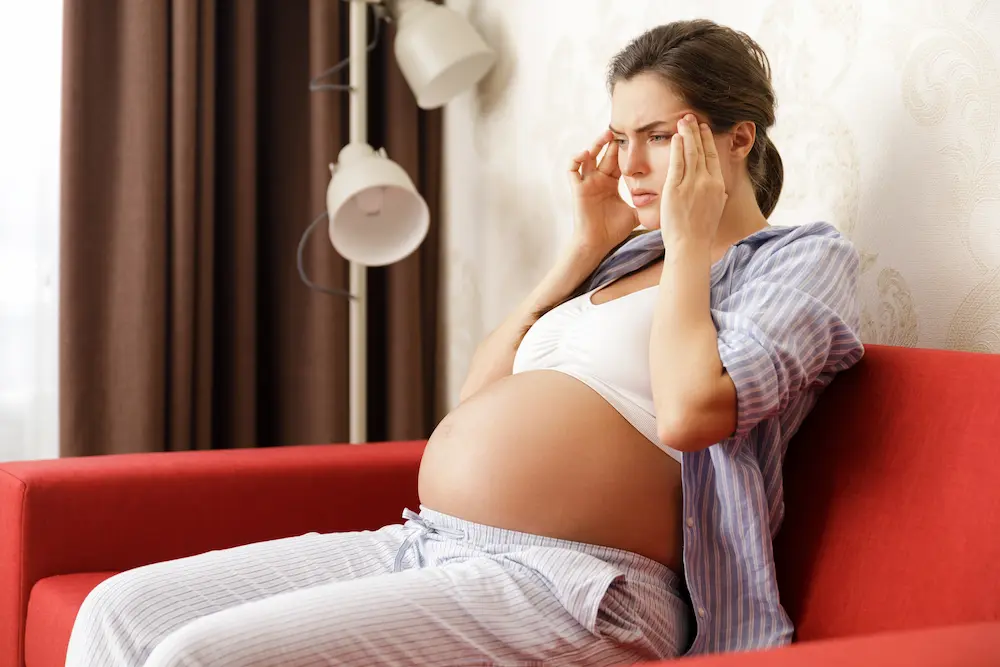
Causes of hypotension in pregnant women during the 3rd trimester
Hypotension, usually more common during the 1st trimester, may also occur during the 3rd trimester and throughout pregnancy in general. Several natural mechanisms and external factors explain this drop in blood pressure.
Hypotension at 7 months pregnant: cardiovascular changes during pregnancy
During pregnancy, the body undergoes significant cardiovascular changes that can promote arterial hypotension:
- Dilation of blood vessels: under the influence of pregnancy hormones, especially progesterone, blood vessels and arteries relax and widen, leading to lower blood pressure. This natural process helps increase blood flow to your baby.
- Increased blood volume: blood volume increases by about 30 to 50%, which can sometimes dilute the blood and reduce systolic and diastolic pressure.
- Compression of blood vessels by the uterus: at 7 months, the uterus takes up a lot of space and may compress the inferior vena cava, especially when lying on your back. This limits blood return to the heart (venous return), causing orthostatic hypotension or faintness upon standing.
- Heart adaptation: the heart works harder to meet both your needs and your baby’s.
Hypotension at 7 months pregnant: other aggravating factors
Certain external factors or medical conditions can worsen hypotension during pregnancy:
- Excessive heat: high temperatures promote blood vessel dilation, increasing the drop in blood pressure.
- Dehydration: insufficient fluid intake reduces blood volume, which can cause blood pressure to fall.
- Anemia: iron deficiency, common during pregnancy, reduces the blood’s ability to carry oxygen, increasing the risk of fatigue, dizziness, and hypotension.
- Standing up quickly or standing for long periods: these situations can trigger hypotension with a feeling of faintness.
- Pre-existing medical conditions: certain endocrine or heart diseases may promote blood pressure imbalances.
- Medications: some treatments may worsen low blood pressure.
It is important to report any unusual symptoms to your healthcare professional, especially if you have a history of cardiovascular issues, are prone to low blood pressure, or are taking medications that may affect blood pressure. 
Tips and solutions to better manage hypotension during pregnancy
Adopting healthy lifestyle habits is the first step to preventing or reducing low blood pressure. Here are the recommendations to follow:
- Optimal hydration: drink regularly throughout the day, between 1.5 and 2 liters of water daily, to maintain good circulating blood volume in your vessels.
- A balanced diet: eat smaller, more frequent meals; choose foods rich in fiber, magnesium, and iron to reduce fatigue and the risk of anemia. Avoid excess salt, especially if you tend to retain water.
- Stay active without overdoing it: gentle physical activity (walking, swimming, prenatal yoga) promotes circulation in the arteries. Ideally, exercise three times a week while avoiding overly intense effort or activities with a risk of falling.
- Avoid prolonged standing.
- Elevate your legs whenever possible, especially if you feel weak.
- Wear loose clothing and comfortable low-heeled shoes to avoid restricting circulation.
- Limit exposure to heat, which promotes blood vessel dilation and lowers blood pressure.
- Compression stockings: in cases of venous return issues, compression stockings may be prescribed.
- Correct deficiencies: in cases of anemia, appropriate supplementation may be prescribed.

Hypotension at 7 months pregnant: when should you consult your healthcare professional?
Although hypotension during pregnancy is most often mild, certain signs should prompt you to seek medical advice quickly from a doctor or midwife. Consult without delay if you experience:
- Repeated fainting spells or loss of consciousness.
- Significant heart palpitations or shortness of breath at rest.
- Persistent visual disturbances.
- Chest pain or a feeling of pressure in the chest.
- Vaginal bleeding or unusual uterine contractions.
- No fetal movement or a marked decrease in your baby’s activity.
- Severe headaches or confusion.
Listen to your body and do not push your limits. Pregnancy changes how your arteries and heart system respond, so it is normal to be more sensitive to blood pressure fluctuations. Adjust your activities, stay well hydrated, and prioritize rest when needed.
In summary, hypotension is often linked to natural adaptations in your body, but certain external factors or medical conditions may worsen it. Stay attentive to how you feel and do not hesitate to seek advice from your healthcare professional to experience this period with peace of mind.
**
Photo credits: DragonImages | BLACKDAY | msvyatkovska | deriabinanatalia
This text was translated from French by an artificial intelligence. The information, advice, and sources it contains comply with French standards and may therefore not apply to your situation. Make sure to complement this reading by visiting the May US/UK app and consulting the healthcare professionals who are supporting you.