

Nutrition plays an important role during pregnancy. Which foods should you avoid? Are there specific dietary tips for pregnant women?
Healthy eating and pregnancy: let’s take a look.
Healthy eating and pregnancy: why is it important to eat well while pregnant?
Adopting a healthy diet during pregnancy is essential for both your health and your baby’s development. A balanced diet helps meet the nutritional needs of pregnancy, reduce fatigue and certain symptoms, anemia, or deficiencies, while supporting steady, healthy weight gain.
For the fetus, appropriate nutrition contributes to optimal growth, the development of the brain and nervous system, the formation of organs, and the prevention of certain complications such as intrauterine growth restriction or preterm birth.
Healthy eating and pregnancy: what diet is recommended while pregnant?
During pregnancy, it is recommended that you eat a varied diet with an adequate intake of proteins, carbohydrates, fats, and minerals/vitamins. During the day, it’s a good idea to eat 3 meals a day (breakfast, lunch, dinner), which you can complement with one or two snacks in the morning or afternoon.
In fact, having an empty stomach during pregnancy can worsen nausea or digestive discomfort, so it’s generally recommended to eat 3 smaller meals and 2 snacks rather than 2 or 3 large meals. This also helps keep blood sugar more stable and prevents energy crashes. To ensure balanced meals, it is necessary that you consume fruits, vegetables, legumes, whole grains, cooked meat, cooked fish, dietary fiber, and pasteurized dairy products.
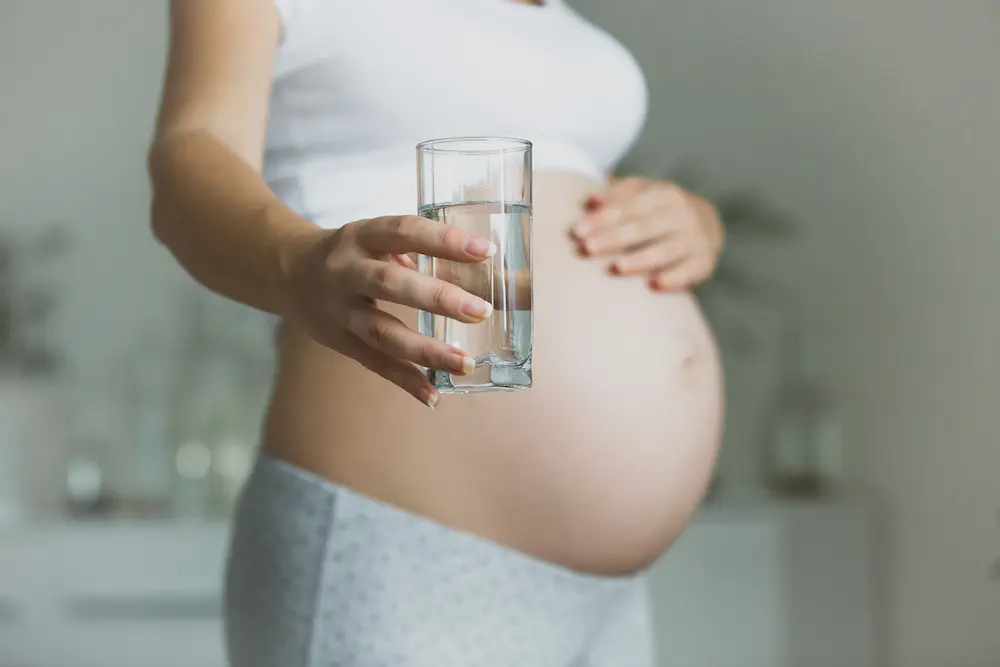
Water is essential during pregnancy. It is recommended to drink 1.5 to 2 liters of water per day. In addition to contributing to increased blood volume and the formation of new tissues, proper hydration helps relieve common pregnancy discomforts such as constipation and water retention. Feel free to choose mineral waters rich in calcium, such as Hépar or Contrex, to hydrate while also boosting your mineral intake.
Want to learn more? Feel free to download the May app, where you’ll find plenty of resources to support and guide you throughout your pregnancy.
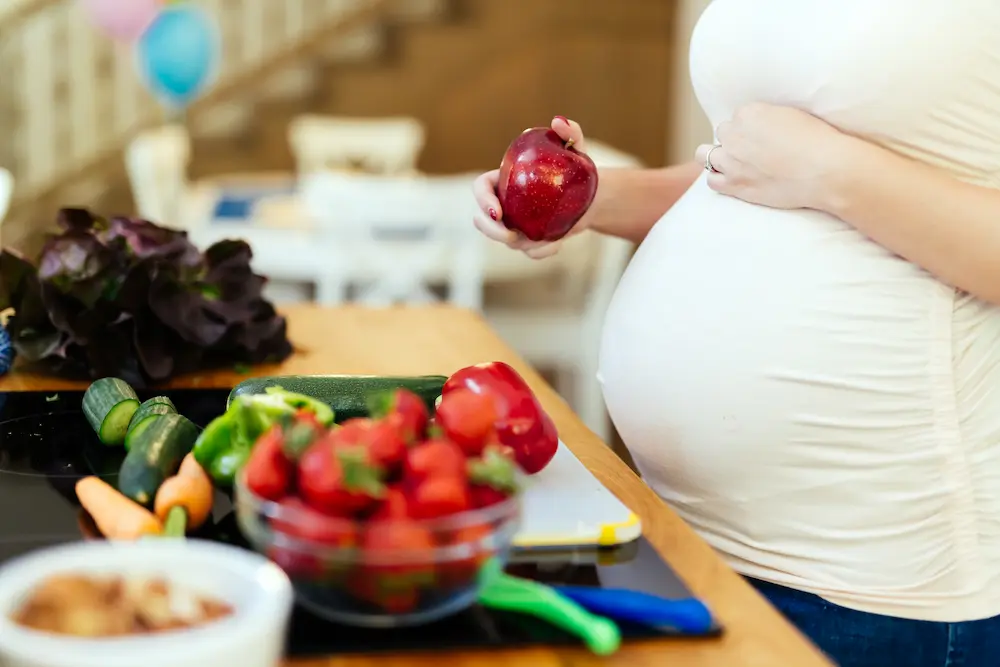
Healthy eating and pregnancy: what are the specific needs in each trimester?
During pregnancy, your nutritional needs increase. Here are the specific dietary needs for each trimester of pregnancy:
- In the first trimester: an extra 150 kcal/day (equivalent to 100 g of plain fromage blanc + 1 fruit).
- In the second trimester: an extra 250 kcal/day (equivalent to a fruit + a yogurt + 1 slice of bread).
- In the third trimester: an extra 500 kcal/day (30 g of cheese + 40 g of bread + 100 ml of fruit juice).
You often hear that you need to eat for two during pregnancy. As you can see, that popular belief isn’t accurate. 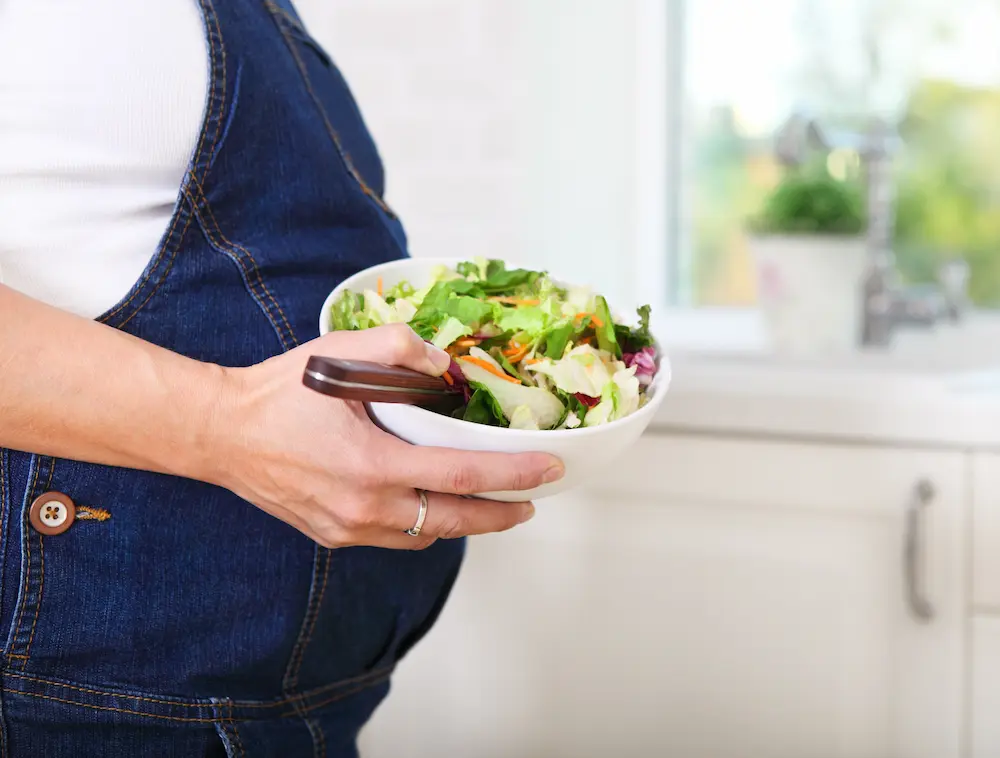
Healthy eating and pregnancy: carbohydrates, fats, and protein
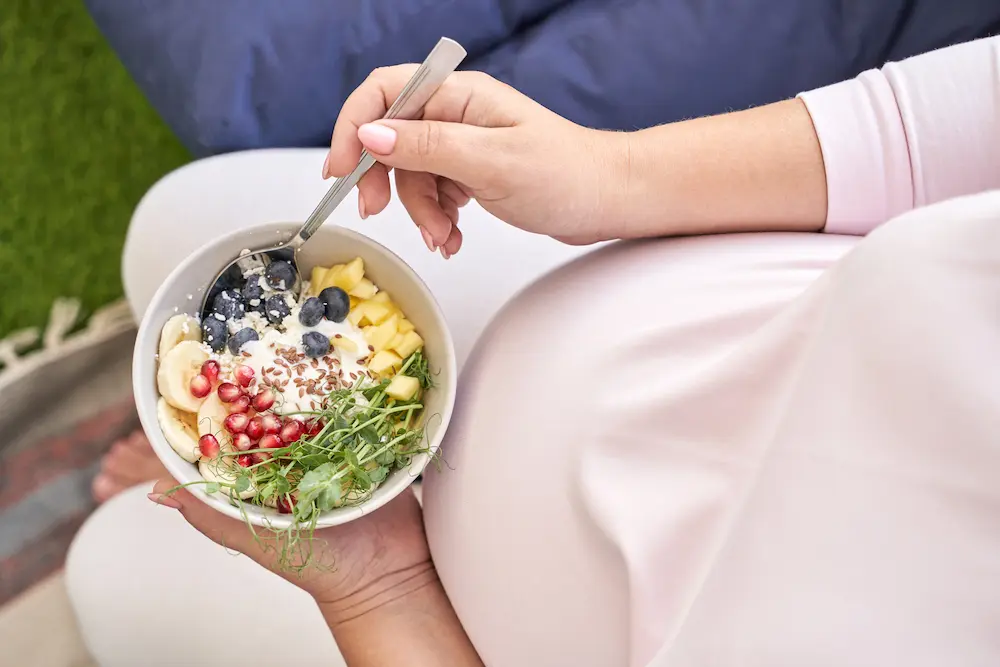
During pregnancy, carbohydrate and fat needs are not higher than usual, but their quality becomes essential. Carbohydrates include starchy foods, fruit, and sugars. It is recommended to consume them at every meal and, if needed, in one or two snacks during the day. During pregnancy, whole or semi-whole grains as well as legumes should be prioritized because they are high in fiber and help prevent constipation. They also support better blood sugar balance.
Starchy foods such as rice, pasta, potatoes, or wheat are important sources of energy and should be included at every meal, while paying attention to portion size.
It is also important to choose low to moderate glycemic index carbohydrates, meaning foods that raise blood sugar slowly. Keeping blood sugar stable helps avoid energy crashes, cravings, and reduces the risk of gestational diabetes. For this reason, it is not recommended to consume very sugary foods on their own, such as sodas or candy, which cause rapid blood sugar spikes followed by sudden drops that are not ideal for overall balance.
However, the goal is not to completely eliminate “treat” foods. Instead, aim for balance: having a sweet snack or dessert occasionally is still compatible with healthy eating during pregnancy, as long as it isn’t every day.
Fats, often seen negatively, are nonetheless essential. Some, such as omega-3 and omega-6, play a key role in a child’s brain and motor development. To meet these needs, it is recommended to prioritize plant-based fats (olive, canola/rapeseed, walnut oils) and limit animal-based fats such as butter or cream.
Omega-3s are also found in fatty fish (sardines, mackerel, herring), which are recommended at least once a week. However, larger fish may contain more heavy metals, so it’s best to alternate with smaller fish (sardines, mackerel, anchovies) and vary species, origins, and fishing methods. Finally, margarines enriched with phytosterols should be avoided because they reduce the absorption of beta-carotene, which is needed in greater amounts during pregnancy.
It is also recommended to increase consumption of flax, chia, sunflower seeds, walnuts, and almonds for omega-3 and omega-6 intake. Protein is especially important in the third trimester, with an increased need of +10 g/day (i.e., 250 ml of milk, or 2 yogurts, or 50 g of meat/fish, or 1 egg). Protein can also come from plant sources such as grains, cooked legumes, nuts, and various seeds.
Good to know: fruits and vegetables provide vitamin C, magnesium, and potassium, which are essential for the immune system, reducing fatigue, and proper muscle function.
Healthy eating and pregnancy: which foods should you avoid during pregnancy?
Pregnancy comes with dietary restrictions. Some foods are strictly prohibited to avoid the risk of bacterial infection. A complete list of dietary restrictions is generally shared with you by your midwife or your doctor.
Foods to avoid include: deli meats, recipes made with raw, unpasteurized eggs, sprouted seeds, surimi and tarama, raw shellfish, raw mollusks, raw-milk cheeses, and smoked fish.
These dietary restrictions are mainly in place to prevent two infections:
- Toxoplasmosis: it can be contracted when an expectant mother eats raw or undercooked meat from a contaminated animal. This infectious disease can cross the placental barrier; this is known as congenital toxoplasmosis. It is therefore important to avoid it, as it can cause fetal vision development issues as well as brain development problems.
- Listeriosis: it is contracted via the bacterium called Listeria. This bacterium can colonize many foods. For this reason, it is strongly recommended to avoid foods at high risk of contamination, such as raw-milk cheeses.
- Salmonellosis: salmonellosis is an infection caused by Salmonella bacteria, transmitted to humans through contaminated foods, especially eggs, dairy products, and meats—particularly poultry. Prevention relies on good hygiene, adequate cooking, avoiding raw eggs, and thorough handwashing as well as careful washing of fruits and vegetables.
We strongly recommend following the dietary guidance your healthcare professional discussed with you to avoid any risk to fetal development.
Some foods are not prohibited but should still be consumed in moderation. This is the case with coffee, which can have stimulating effects on your baby. Generally, a maximum of 1 to 2 cups per day is recommended. Herbal teas can be an alternative to caffeine. Sugary drinks like soda should also be consumed sparingly due to added sugars. Feel free to prioritize water and fresh fruit juices over sweetened beverages.

How can you manage nausea and cravings during pregnancy?
Nausea and cravings during pregnancy are explained by hormonal changes. There is no miracle cure for managing nausea and cravings. However, a few measures can help prevent them:
- Have a small snack (dry toast, nuts) as soon as you wake up, even before getting out of bed.
- Drink a glass of lukewarm or warm water with the juice of half a lemon diluted in it.
- Split your meals: eat smaller amounts but more often throughout the day.
- Avoid foods that are too heavy, fatty, or spicy, but let your cravings guide you.
- Eat slowly and take time to chew during meals.
- Avoid lying down right after eating: wait at least an hour to make sure you’ve digested well.
- Ginger and lemon balm can help soothe nausea.

Should you take dietary supplements during pregnancy?
During pregnancy, your midwife or doctor may prescribe vitamin and/or mineral supplementation. The most commonly prescribed supplements are:
- Folic acid (vitamin B9): it is routinely prescribed at the beginning of pregnancy, and even before conception if the pregnancy is planned. Vitamin B9 helps prevent neural tube defects and reduces the risk of a malformation called spina bifida.
- Iron: it is not always prescribed. It is offered to pregnant women who are anemic or iron-deficient. A blood test is mandatory for all pregnant women in the 6th month of pregnancy or earlier. The results determine whether you need iron supplementation.
- Vitamin D: it may or may not be prescribed routinely; this depends on many factors. Generally, it is prescribed when the pregnant woman is at higher risk of deficiency (winter pregnancy, insufficient dietary intake, limited sun exposure, etc.).
Warning: dietary supplements should never be taken without medical advice. 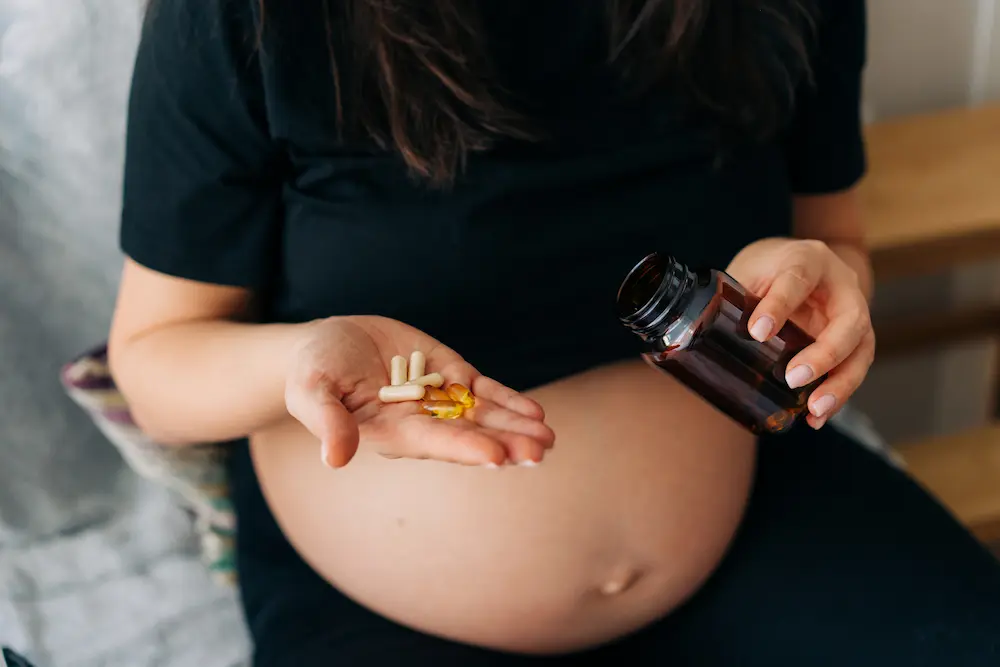
Healthy eating and pregnancy: what are the effects of alcohol, tobacco, and drugs?
Alcohol is prohibited during pregnancy because the associated risks are too significant. Alcohol is the leading cause of non-genetic intellectual disability in babies. During pregnancy, it can lead to miscarriage, preterm birth, intellectual disability, behavioral disorders, birth defects, etc.
Alcohol crosses the placental barrier easily. When this happens, the fetus’s blood alcohol level is similar to the mother’s. In addition, the fetus’s liver is not yet able to eliminate alcohol. A zero-alcohol rule is therefore recommended during pregnancy, since we are currently unable to determine the threshold at which alcohol becomes toxic for a baby’s development.
Did you drink alcohol because you didn’t know you were pregnant? Try not to worry—consequences are minimal in the first two weeks of pregnancy. Don’t hesitate to talk about it directly with your doctor or midwife.
Tobacco is also prohibited during pregnancy. It contains more than 7,000 harmful substances that cross the placental barrier and can complicate fetal development. The risks associated with smoking during pregnancy also include:
- lower birth weight,
- a threefold increased risk of miscarriage,
- a twofold increased risk of ectopic pregnancy,
- an increased risk of placenta previa (a placenta that implants in the wrong place).
- an increased risk of preterm birth.
Quitting smoking can, of course, be very difficult. If you are experiencing any difficulty, don’t hesitate to seek help. Several solutions can be considered to try to reduce tobacco use, such as personalized support, hypnosis or acupuncture sessions, nicotine replacement therapies, or an appointment with a tobacco cessation specialist.
As for other drugs, they should, like alcohol and tobacco, be avoided completely. The consequences of drug use vary depending on the type, dose, and frequency, as well as combined use with tobacco and alcohol. Follow-up with a healthcare professional specialized in addiction is necessary.
If you are having difficulty stopping drinking, smoking, or using drugs, there is no shame. Talk to the healthcare professional who is following your pregnancy. They can guide and support you and potentially refer you to an addiction specialist or a psychologist, for example.
Healthy eating and pregnancy: physical activity
Staying physically active during pregnancy is essential to support your body’s changes, protect your well-being and avoid excessive weight gain. Regular, appropriate physical activity helps better control weight, reduces the risk of complications such as gestational diabetes or hypertension, and relieves certain aches, especially in the back and pelvis. It also prepares the body for childbirth and makes recovery easier after birth.
Gentle activities such as walking, swimming, water aerobics, stationary cycling, or prenatal yoga are especially recommended. It is important to listen to your body, adjust intensity based on fatigue levels, and avoid sports with a risk of falls or contact. Activities like running can be continued as long as it is well tolerated—listen to your body and adapt your sessions. For women who are not very active, it is recommended to start gradually and increase session duration over time.

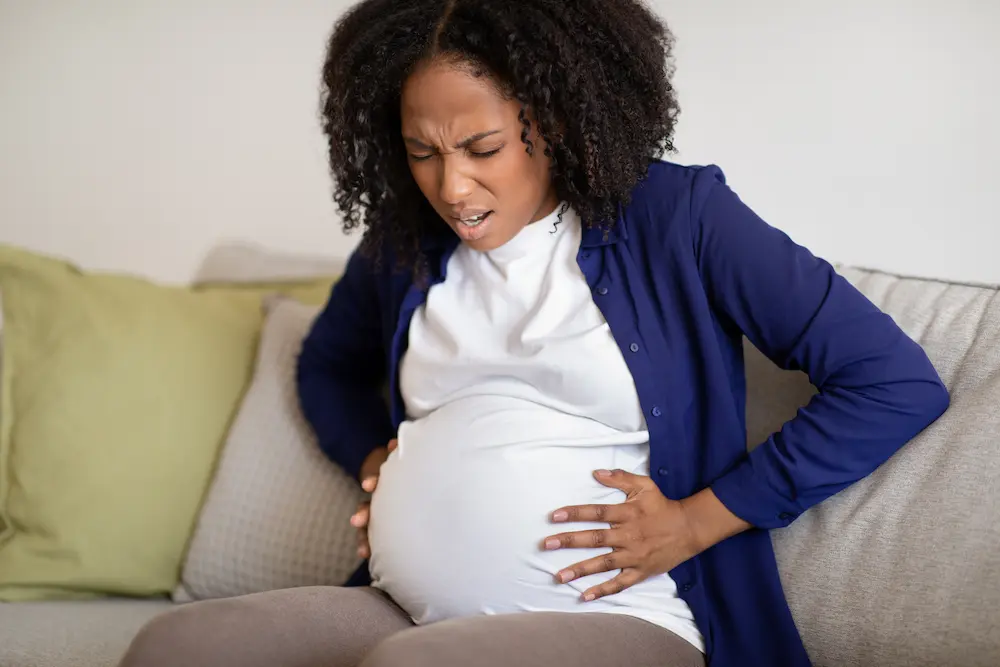
Healthy eating and pregnancy: how to manage digestive issues (constipation, heartburn…) during pregnancy?
In case of digestive issues, it is recommended to split your meals to try to relieve symptoms.
If you are constipated, prioritize fiber-rich foods (prunes, fruits, green vegetables, whole-grain flours, legumes, etc.) and drink between 1.5 and 2 liters of water per day. Physical activity is also recommended to help manage constipation.
If you are prone to heartburn, try to avoid meals that are too rich, spicy, and more generally, any foods that are hard to digest. Coffee, citrus fruits, and fast sugars are also foods you should limit, since they can worsen heartburn.
Healthy eating and pregnancy: what are the recommendations for vegetarian or vegan pregnant women?
If you follow a vegetarian or vegan diet, it is strongly recommended to discuss it with your healthcare professional so they can provide tailored advice.
During pregnancy, protein needs are important, especially in the third trimester, because this is a period of rapid fetal growth. For vegans, legumes (lentils, chickpeas, kidney beans, white beans, flageolets, etc.), grains, nuts, and seeds are good sources of protein. If you are vegetarian, eggs and dairy products are important sources of protein.
Vegetarian or vegan pregnant women are recommended to consume fiber because it has a positive effect on the gut microbiome. Fiber is abundant in plant-based foods and helps regulate bowel movements. However, fiber should not be consumed in excessive amounts, as this can limit overall food and calorie intake in the expectant mother.
Feel free to eat iron-rich foods such as seeds, nuts, legumes, and whole grains to increase your intake.
You should also pay attention to omega-3 intake, which is essential during pregnancy. Plant-based diets provide few fatty acids if you eat few nuts and seeds. Eating chia, flax, walnuts, and camelina is therefore strongly encouraged if you follow a plant-based diet (in the form of oils and/or seeds).
As for vitamin B12, intake is generally not sufficient for expectant mothers who are vegan. It is found mainly in meats, fish, eggs, and dairy products, and in smaller amounts in grains and vegetables. You will therefore likely need supplementation, but this should be evaluated with your healthcare professional. Finally, don’t forget iodine, which is an essential mineral for fetal brain development and normal thyroid function—so feel free to season your dishes with iodized salt.
In summary, it is absolutely possible to maintain a healthy, varied diet while still enjoying yourself, even during the holidays! You should, however, make sure not to consume foods or substances that could be toxic or dangerous for your health and your baby’s. If you have difficulty, you can always consult a registered dietitian for help with meal planning, or your healthcare professional with any questions.
**
Photo credits: nd3000 | dasha11 | elenavolf | Prostock-studio | nd3000 | titovailona | kryzhov | puhimec
This text was translated from French by an artificial intelligence. The information, advice, and sources it contains comply with French standards and may therefore not apply to your situation. Make sure to complement this reading by visiting the May US/UK app and consulting the healthcare professionals who are supporting you.