

Baby Daily Life
–

The first trimester of pregnancy is a period of change: various dietary recommendations to follow, fatigue, nausea, food aversions, or a decreased appetite can quickly complicate your daily life and eating habits. What are you allowed to eat? What are your nutritional needs? What recipes can you prepare?
First trimester pregnancy recipes: let’s take stock.
From the very beginning of pregnancy, it is essential to adopt good food safety habits. These precautions protect both you and your baby from infections such as toxoplasmosis or listeriosis, which can be serious during the first trimester and throughout pregnancy.
Some foods should be avoided or eaten only when thoroughly cooked to reduce the risk of foodborne infections. Here is a practical list to guide you:
| Category | To avoid | Safe alternatives |
| Meat and fish | Raw meat, raw or smoked fish, tartare, carpaccio, sushi, surimi, tarama, raw shellfish, cured ham | Well-cooked meats (chicken, roast, ham) and fish (salmon, cod) |
| Deli meats | Rillettes, pâtés, foie gras, raw cured meats | Cooked ham, pasteurized products, well-cooked blood sausage |
| Cheeses | Raw-milk cheeses or soft cheeses (brie, camembert), fresh goat cheese | Hard cheeses (Comté), pasteurized yogurt, pasteurized goat cheese |
| Eggs | Raw or undercooked eggs, mousse, homemade mayonnaise | Hard-boiled eggs, well-cooked omelets |
| Fruits and vegetables | Raw sprouted seeds, poorly washed fruits and vegetables | Carrots, potatoes, zucchini, tomatoes, well-washed spinach |
| Other | Raw milk, unreheated deli foods, foods sold by the slice | Pasteurized milk, prepackaged products |
Finally, processed foods as well as refined sugars should be avoided as much as possible to help prevent the risk of gestational diabetes.
In addition to avoiding certain foods, there are also a few hygiene measures to take in order to avoid the foodborne infections mentioned above.
Good to know: be careful with your cat’s litter box if you have one at home. Wear gloves or ask someone else to clean it to avoid direct contact with your pet’s feces, which also poses a risk of toxoplasmosis.
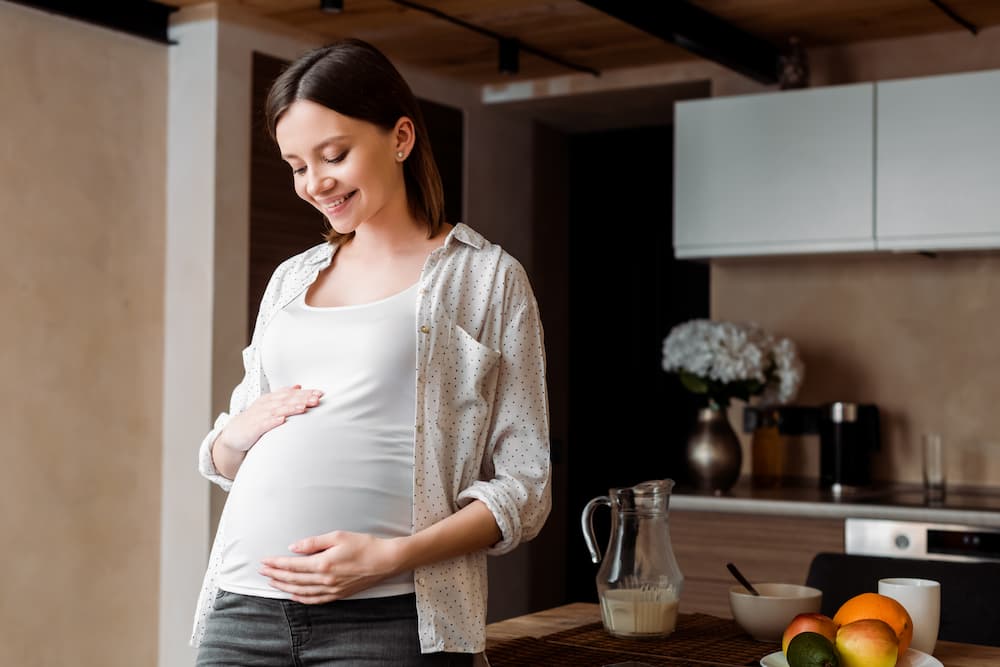
During the first trimester, your energy needs increase only slightly—by about 150 kcal per day, the equivalent of 100 grams of plain yogurt and one piece of fruit. Far from eating for two, what really matters is the quality of your diet, particularly your intake of essential vitamins and minerals:
It is found in: green vegetables (spinach, cabbage), lentils, peas, citrus fruits, and fortified cereals.
It is found in: meat, peas, lentils and legumes, white beans, soy flour, dried fruits, spinach, and brown rice.
It is found in: dairy products, almonds, walnuts, salmon, and green vegetables.
It is found in: fatty fish (salmon), eggs, dairy products, and moderate sun exposure.
Want to learn more? Feel free to download the May app, where you’ll find plenty of resources to support and guide you throughout your pregnancy.

Here are some recipe ideas to support you in your daily life during this first trimester of pregnancy.
During the first trimester, a good strategy to start the day well and limit nausea is to eat smaller, more frequent meals that are rich in complex carbohydrates and protein. Choose foods that are easy to digest, providing lasting energy without causing blood sugar spikes. Here are a few ideas:
For main meals, the ideal approach is to create balanced plates combining starches, legumes, proteins, and seasonal vegetables. Here are a few examples of well-balanced recipes:
Psst! Many more delicious recipes are available on the May app!

It is absolutely possible to adapt a vegetarian diet during pregnancy. In this case, it is strongly recommended to discuss it with a healthcare professional to receive personalized advice.
During the first trimester, your protein needs increase only slightly. If your vegetarian diet was already well balanced and provided sufficient plant-based protein, you won’t need to change much. However, during the third trimester, your protein needs increase more significantly due to the baby’s rapid growth.
In a vegetarian or vegan diet, protein can be provided by legumes (lentils, chickpeas, beans), grains, eggs, dairy products, nuts, and seeds, provided they are consumed in sufficient quantities.
A fiber-rich diet is also recommended to support a healthy gut microbiota and promote proper digestion.
Omega-3 fatty acids also play an essential role during pregnancy. A plant-based diet may be low in omega-3s if seeds and nuts are consumed infrequently. It is therefore recommended to include plant-based sources of omega-3s such as chia, flax, walnuts, or camelina, in the form of seeds and/or oils.
Finally, vitamin B12 supplementation may sometimes be necessary, particularly in vegan diets.
Here are a few recipes you can prepare:
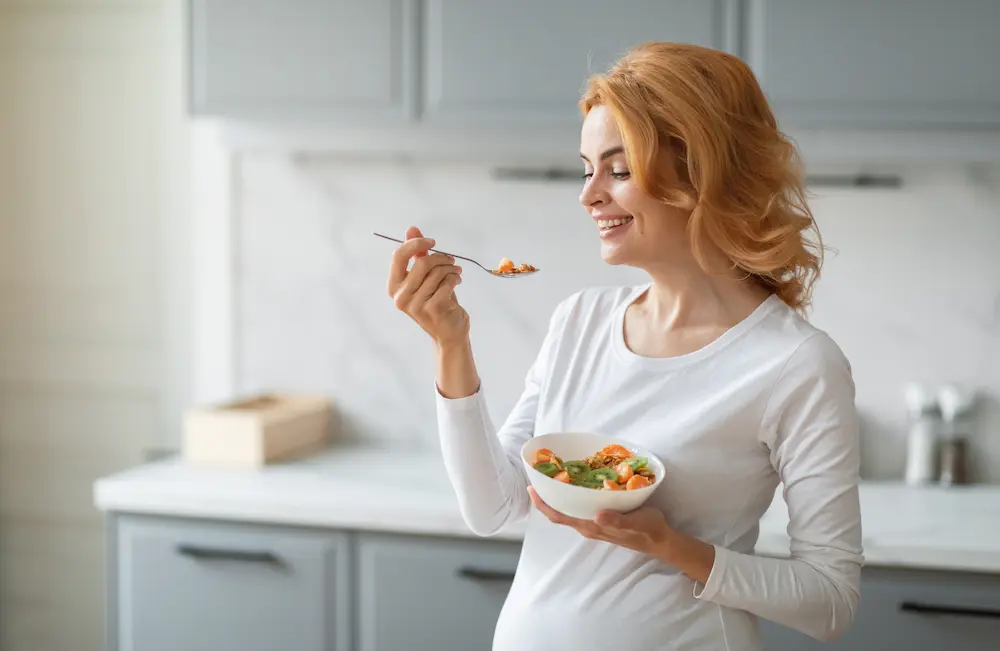
First-trimester nausea is common and can sometimes be very uncomfortable. A few simple adjustments can truly improve your daily life:
The first trimester of pregnancy is a time of many changes, both physical and dietary. Between pregnancy-related discomforts and new food precautions, it’s normal to feel a bit lost at times. Fortunately, there are many simple, pregnancy-friendly recipes that allow you to eat a balanced diet every day while taking care of yourself and your future baby.
**
Photo credits: seleznev_photos | LightFieldStudios | OlhaRomaniul | GalinkaZhi | Prostock-studio
This text was translated from French by an artificial intelligence. The information, advice, and sources it contains comply with French standards and may therefore not apply to your situation. Make sure to complement this reading by visiting the May US/UK app and consulting the healthcare professionals who are supporting you.
Some of the links below may no longer be active. In that case, please feel free to refer directly to the relevant websites.
These resources might interest you