



According to Santé publique France, the flu affects 2 to 6 million people each year in France. Unfortunately, babies are not spared from this highly contagious infectious disease. What are the symptoms of the flu in infants? How should you react? What treatments are recommended?
Here’s everything you need to know about the flu in babies.
What Are the Symptoms of the Flu in Babies?
Flu symptoms appear within 48 hours after exposure to the virus that causes the illness. They are easily recognizable and generally well known in adults and children:
- fever,
- headaches,
- chills,
- cough (usually dry),
- body aches,
- loss of appetite,
- runny nose,
- fatigue.
However, the flu in babies is more difficult to identify because symptoms are less visible than in older children or adults. Still, certain flu symptoms like fever should prompt you to seek medical care quickly.

When Should I Take My Baby to the Doctor If I Suspect the Flu?
Your infant is still fragile: they are in their first 1000 days, a period during which their developing body is highly vulnerable. A flu infection can significantly affect them because their immune system is still immature.
That’s why, if you believe you recognize flu symptoms in your baby, especially if they are under 6 months old, it’s best to see a doctor quickly. Flu cases in very young babies sometimes require hospitalization.
As always, call emergency services if you notice any of the following signs:
- Behavior: your child is limp or drowsy, irritable, or not acting as usual. They sleep a lot and are difficult to wake up.
- Coloration: they look very pale, their eyes appear sunken, and their skin may look mottled.
- Breathing: they have difficulty breathing or are breathing rapidly.
- Feeding: your baby is eating less than half of their usual daily intake.
Want to learn more? Feel free to download the May app, where you’ll find plenty of resources to support and guide you throughout your journey as a new parent.

Flu in Babies: How Long Does the Fever Last?
In children, flu-related fever often has particular characteristics in terms of duration and intensity. Infants and young children may develop higher and longer-lasting fevers than adults because their immature immune system reacts more strongly to viral infections. They are also more prone to complications, which makes close monitoring essential and warrants a medical consultation.
If your child seems to be getting better after the flu but the fever returns, start by checking their temperature regularly with a thermometer. If the fever is confirmed, it’s best to see your healthcare provider again.

How to Treat the Flu in a Baby?
As we mentioned earlier, if your baby is very young or if complications arise from the flu, your doctor may advise you to go to the hospital. There is no cure for the flu, but its symptoms can be relieved.
Medical staff will primarily ensure that your baby rests and stays well hydrated, as fever can lead to significant dehydration. Paracetamol (acetaminophen) may be given to reduce fever and discomfort.
Many doctors now have access to rapid tests, similar to COVID tests, to diagnose the flu. Once the diagnosis is confirmed and if there are no complications, the doctor may send you home with treatment for pain and fever if it is poorly tolerated. Here are some additional tips to relieve your baby at home:
If your baby has a fever: avoid overdressing them, ensure that their room is not overheated (ideally between 19–20°C / 66–68°F), and hydrate them regularly (oral rehydration solutions can be purchased at the pharmacy, with or without a prescription).
Remember: any child under 3 months old with a fever must be seen by a doctor the same day, at the emergency room if necessary.
If your baby has a cough: slightly elevate the head of the bed by placing books under the legs. You can humidify the room with water vapor by placing a bowl of water on a radiator. Hanging wet laundry in the room also works. Avoid humidifiers, as they can harbor microbial contamination.
Remember to regularly clean your baby’s nose. This helps them breathe better and reduces the risk of pulmonary complications such as bronchiolitis.
Fatigue can last several weeks after the flu—make sure your baby gets plenty of rest.
If your baby’s condition does not improve or seems to worsen, if they appear in pain or have difficulty breathing, do not hesitate to consult a healthcare professional. Pay close attention to their behavior, feeding, breathing, and hydration.
Good to know: if your baby has the flu, it’s likely that their nose will be congested. Read our article to learn how to relieve your baby’s stuffy nose.

What Are the Risks of the Flu in Babies and How to Manage Them?
Flu complications are more common in vulnerable individuals, such as infants. You must closely monitor for risks of lung infection or secondary bacterial infection, bronchiolitis, or ear infections. Do not hesitate to consult a healthcare professional again if you are unsure. 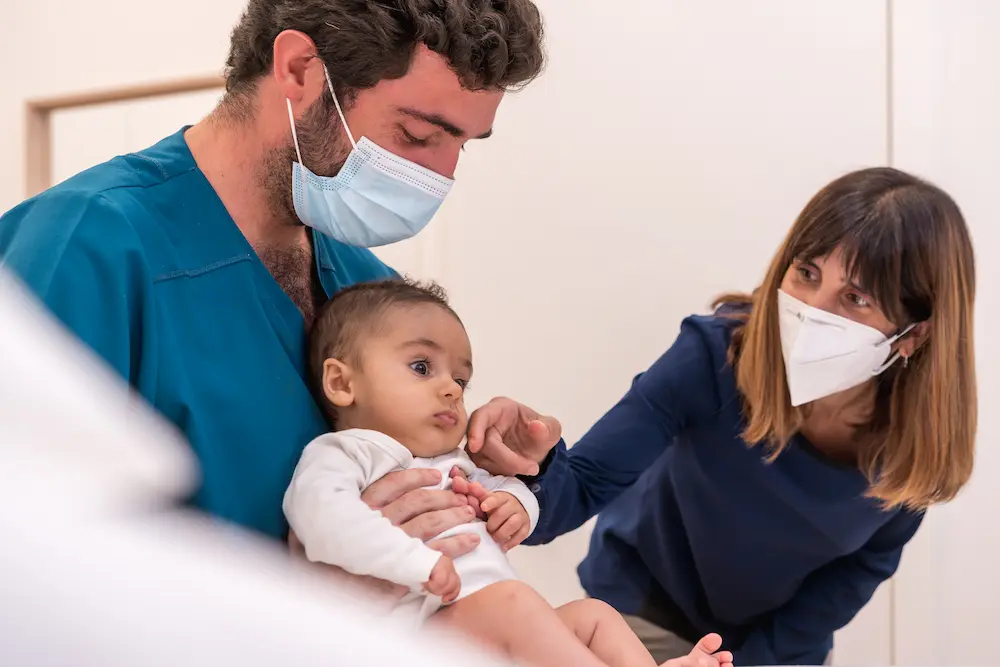
How Can I Protect My Baby From the Flu?
As we’ve seen, the flu is a highly contagious disease. To protect your baby as much as possible, here are the preventive measures to apply daily, especially during winter.
- Cough or sneeze into your elbow.
- Dispose of used tissues immediately.
- Wash your hands regularly throughout the day and before/after caring for your baby.
- Air out your home several times a day to renew indoor air.
- Avoid handshakes and kisses during flu season and keep a one-meter distance from others whenever possible.
- Favor outdoor outings with your infant (parks, gardens…) rather than enclosed spaces where germs and viruses accumulate.
Good to know: for effective handwashing, the National Health Insurance recommends scrubbing hands with liquid soap for at least 30 seconds, rinsing them, then drying with a clean towel or air drying. Repeat as often as necessary throughout the day.
If you are breastfeeding, you may wonder about transmission risks. However, nothing indicates that flu is transmitted through breast milk. Transmission occurs mainly through respiratory droplets.
On the contrary, breastfeeding provides your baby with immediate protective benefits. As soon as you begin incubating the virus, you produce specific antibodies and pass them to your baby through breast milk, helping protect them and reducing their risk of developing the illness. Weaning during this period would deprive them of this natural protection.
You can continue breastfeeding even if you have been prescribed antiviral treatment. Simply wear a mask during feedings.
In addition to these preventive measures, one essential tool remains: vaccination.

Is Flu Vaccination Recommended for Babies?
Even though it is the most effective protection against the flu (Vaccination Info Service reports that the vaccine saves an average of 2,000 lives per year in France among people over 65), flu vaccination is unfortunately not possible before age 6 months. However, your child can still benefit indirectly from the vaccine through:
- Your own vaccination if you were vaccinated during pregnancy.
- Your household and caregivers being vaccinated, making them less likely to catch and transmit the flu to your baby.
Vaccination during pregnancy: getting vaccinated during pregnancy protects you and your baby from seasonal flu. The vaccine can be given at any time during pregnancy. It protects your baby during their first 6 months of life: antibodies pass through the placenta and are transferred to the baby. Moreover, pregnant women are at higher risk of lung complications, miscarriage or preterm birth if they get the flu.
Additionally, since its February 9, 2023 announcement, the French National Health Authority (HAS) recommends vaccinating all children aged 2 to 17 each year against seasonal flu to help reduce the flu epidemic. The vaccine is reimbursed. According to the 2024 survey by the French Association of Ambulatory Pediatrics (AFPA), only about 20% of parents are aware of this recommendation.
The flu is therefore a highly contagious viral disease. It can be serious in vulnerable individuals, especially babies. Recognizing early symptoms, consulting promptly, and applying proper care can reduce the risk of complications. Fortunately, vaccination and everyday preventive measures help minimize these risks as much as possible.
**
Photo: Pressmaster | cait00sith | nateemee | vedrana2701 | AnnaStills | Unai82 | Satura_
This text was translated from French by an artificial intelligence. The information, advice, and sources it contains comply with French standards and may therefore not apply to your situation. Make sure to complement this reading by visiting the May US/UK app and consulting the healthcare professionals who are supporting you.