

Pregnancy Pains
–
Armpit pain during pregnancy: causes, symptoms, and solutions
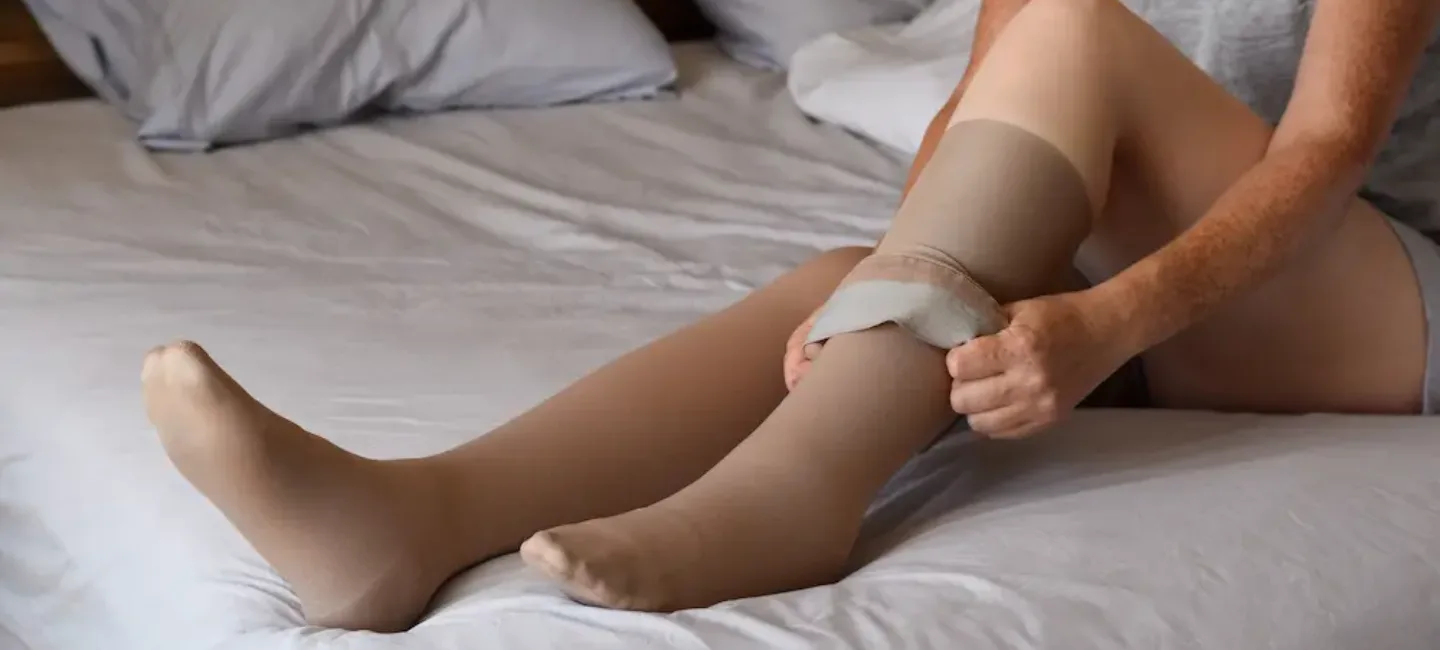
After a C-section, the body goes through many changes: temporary immobility, hormonal shifts, and slower blood circulation. These factors can promote the formation of blood clots, which can lead to phlebitis. What symptoms should you watch for? What steps can you take to protect your circulation and prevent the risk of a vascular blockage?
Phlebitis after a C-section: here’s what you need to know.
To better understand the risk of phlebitis after a C-section, it’s essential to clearly define what phlebitis is and why a C-section can increase the risk of developing it.
Phlebitis refers to inflammation of a vein, usually in the lower limbs, associated with the formation of a blood clot. This clot can partially or completely block the vein, disrupting blood flow and increasing the risk of more serious complications.
There are two main types of phlebitis:
The main mechanism behind phlebitis is excessive blood clotting, often promoted by slowed blood flow in the veins, injury to the vein wall, or changes in clotting factors.
The period after a C-section is particularly favorable for phlebitis for several reasons specific to the postpartum period:
Other factors can add to these, such as a personal history of phlebitis, taking certain medications, or having vascular disease. That’s why after a C-section, medical teams often recommend preventive measures: routine use of compression stockings, early mobilization, and sometimes anticoagulant prescriptions.
Warning: a C-section increases the risk of phlebitis, but this complication can also occur after a vaginal delivery. For this reason, wearing compression stockings in the postpartum period after delivery is recommended, and of course you should seek medical advice at the slightest suggestive sign.
Want to learn more? Feel free to download the May app, where you’ll find plenty of resources to support and guide you throughout your pregnancy.
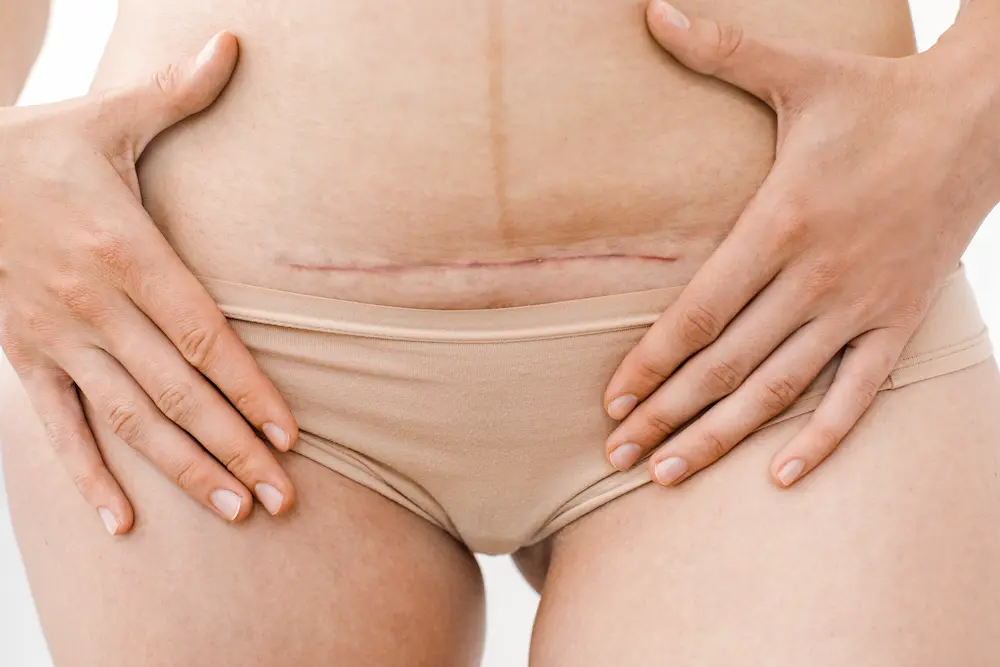
The postpartum period comes with an increased risk of blood clot formation in a vein in the lower limbs, which can have serious consequences for vascular and lung health in cases of venous thrombosis or pulmonary embolism. Here’s how to recognize the warning signs.
Superficial phlebitis affects veins close to the surface of the skin, often on varicose veins. Symptoms are usually localized and not very severe, but they should not be ignored because they can progress.
Signs to look out for include:
Often, these symptoms appear in the calf or thigh. The area may also look slightly swollen or feel tight. Even though the risk of embolism is lower than with deep phlebitis, it’s recommended to consult to prevent the clot from extending or interfering with blood flow.
Deep phlebitis (or deep vein thrombosis) is much more serious because the blood clot forms in a deep vein, often in the leg. It can cause more pronounced symptoms and requires urgent care to reduce the risk of pulmonary embolism.
Warning symptoms to watch for include:
These symptoms may appear in the days or weeks following the C-section, a period when blood clotting is naturally increased. Wearing compression stockings and early mobilization are routinely recommended and, if needed, prescribed anticoagulants are part of the recommended preventive measures, especially if there is a history or a specific vascular risk.
If deep phlebitis is suspected, it is essential to seek medical care quickly. Early diagnosis with a Doppler ultrasound makes it possible to start appropriate treatment and avoid serious complications such as pulmonary embolism or blockage of the pulmonary arteries.

After a C-section, any symptom of phlebitis should always be taken seriously. Here are the main treatments and tips to limit risk and support recovery.
The priority, in cases of confirmed venous thrombosis, is to prevent the blood clot from traveling to the pulmonary arteries. Here are the options recommended by healthcare professionals:
Prevention remains essential. Here are simple steps to help reduce the risk of phlebitis after a C-section:
In summary, phlebitis after a C-section is a serious complication. Fortunately, by recognizing symptoms early and following preventive measures, you can significantly reduce the risk of complications.
**
Photo credits: JulieAlexK | Demkat | Sorapop
This text was translated from French by an artificial intelligence. The information, advice, and sources it contains comply with French standards and may therefore not apply to your situation. Make sure to complement this reading by visiting the May US/UK app and consulting the healthcare professionals who are supporting you.
Some of the links below may no longer be active. In that case, please feel free to refer directly to the relevant websites.
These resources might interest you
Armpit pain during pregnancy: causes, symptoms, and solutions