At 15 months, your baby is growing more and more. Their movements are becoming more precise, they are discovering their body, and they understand their environment better and better… What are the different developmental milestones at 15 months?
15 month old baby: let’s take a closer look.
Motor and cognitive development
Motor development at 15 months
After spending several months exploring their environment, your child is now turning their curiosity toward discovering their own body. They gradually become aware of their body and can increasingly point to body parts you name. In a few months, they will be able to identify certain body parts, such as their eyes, hands, or feet.
At the same time, your baby begins to use objects more intentionally. They enjoy tapping two objects together to make noise or stacking blocks for fun. Their fine motor skills also allow them to hold a chunky crayon (choose a thick model, easier to grasp) or pick up small objects. This is the perfect time to introduce their first construction toys, such as stackable bricks, which help support fine motor development.
You can also encourage their ability to differentiate reality from representation by offering small figurines (animals, characters, etc.) so they can recreate everyday scenes. Finally, feel free to offer books, as they are starting to show more interest, especially in picture books. Good to know: at 15 months, your child’s hand-eye coordination improves significantly! This helps them with daily gestures and the ability to grasp objects. Little by little, they will be able to eat on their own!
Your baby’s cognitive development
Your baby is gradually developing their understanding and is capable of responding to simple instructions such as “give your cuddly toy a hug,” “go get your shoes,” or “give me the ball.” However, the concept of negation is harder for them to grasp. It is therefore best to use positive instructions, which they process more easily and which support their self-confidence.
At this stage, they do not yet form full sentences and usually express their needs with a single word, such as “blankie” to mean “I want my blankie.” Between ages 1 and 2, your child likes to be watched by an adult while they play and wants to show what they are doing. Although they show increasing interest in other children, they are not yet able to play with them, especially since they struggle to share toys and do not yet understand that they will get them back.
Learning to walk gradually helps them become more open to others and more curious about their activities. They then start to enjoy interaction games with you, such as peek-a-boo or chase games. From age 2 onward, they enjoy being around other children, while still playing independently. This behavior is known as parallel play. 
When to worry?
The developmental milestones mentioned above are only general guidelines regarding a baby’s progress. In reality, every child develops at their own pace! So don’t worry if your baby is advancing more slowly or more quickly than another. However, if you notice a sudden halt in your child’s development, do not hesitate to consult your healthcare professional.
Want to learn more? Feel free to download the May app, where you’ll find plenty of resources to support and guide you throughout your journey as a new parent. 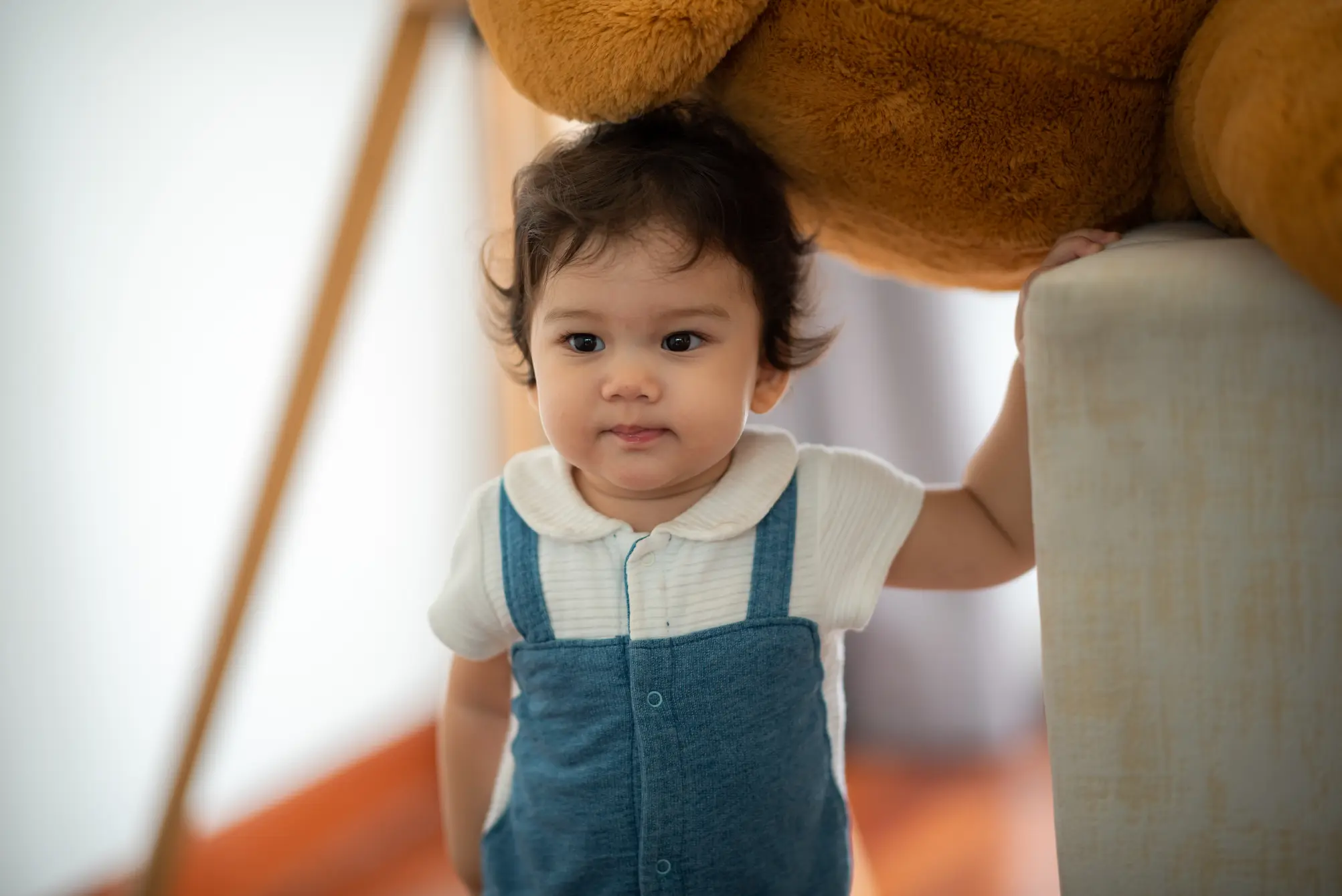
Language and communication at 15 months
Your child is in the middle of learning language—what an adventure! Since around their first birthday, they have been able to say more and more words. Soon, they will begin putting the pieces of the puzzle together and start making word combinations. By imitating you, they are also able to repeat simple sequences: “baby sit stroller,” “more cookie”… Their vocabulary will grow a lot in the coming months! 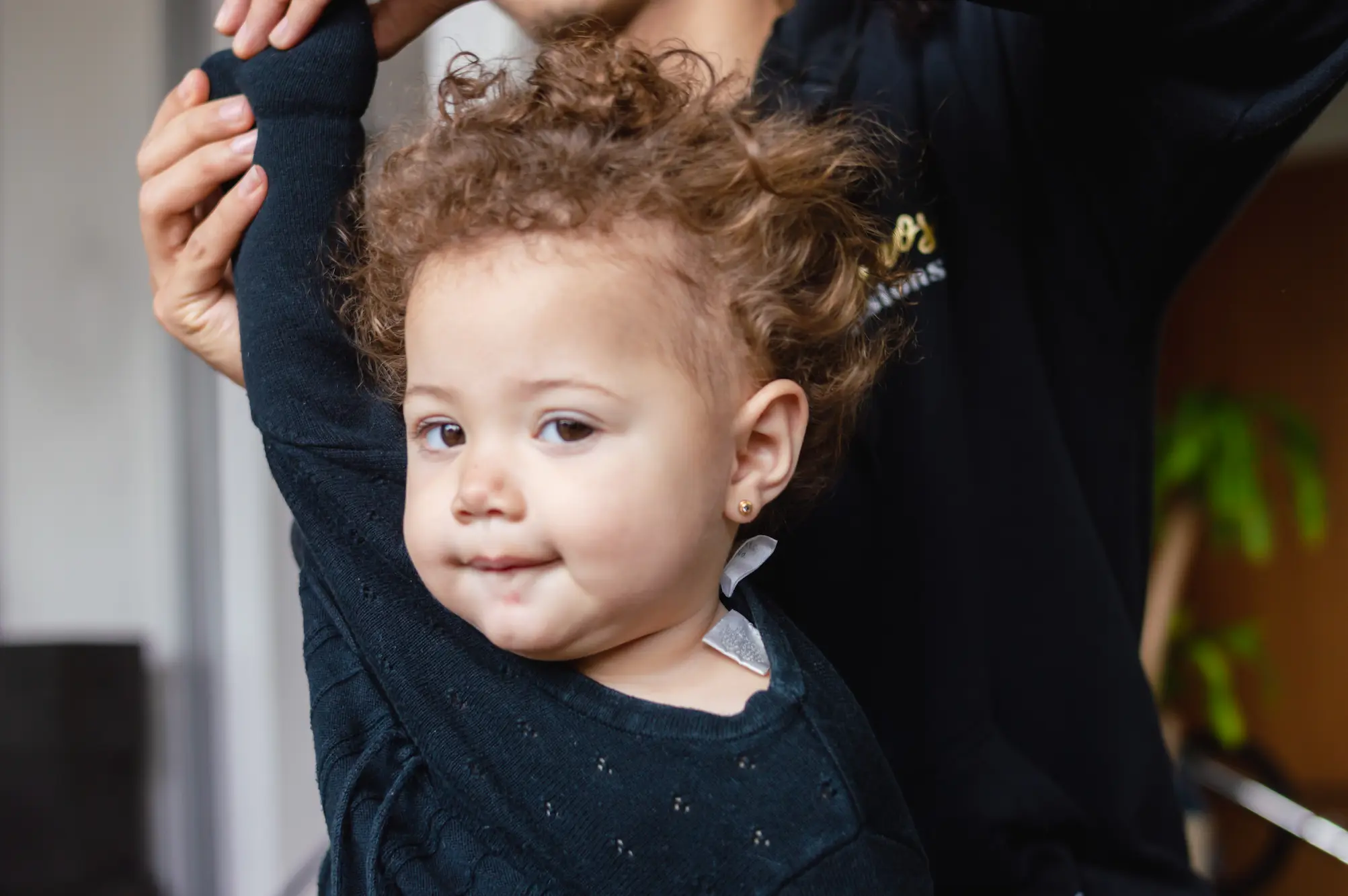
Vaccines this month
Check-ups with the pediatrician allow you to monitor your child’s growth and development, as well as to detect possible medical concerns early and to keep their vaccination schedule up to date. Vaccination plays a key role in strengthening your baby’s immune system, protecting them from potentially serious childhood diseases. Between 14 and 16 months, your baby receives a mandatory vaccine booster. Feel free to ask your pediatrician for advice. 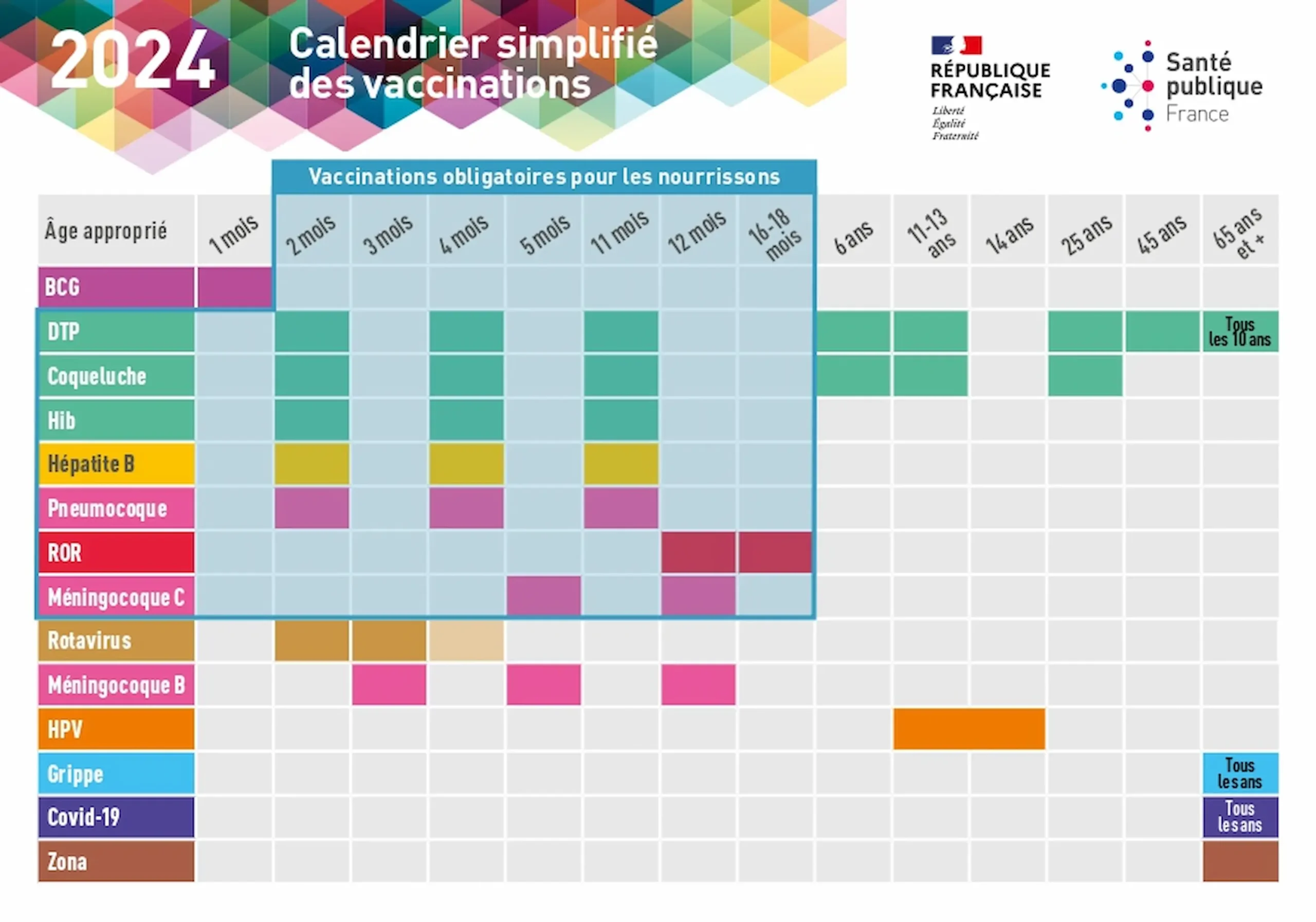 At 15 months, your child begins to use objects intentionally and to express themselves more clearly. During this learning-rich period, over the next few months, they will continue to expand their vocabulary and discover new abilities.
  ** Photo credits: levinajuli | setofotografias | crshelare | ckstockphoto | YuriArcursPeopleimages
This text was translated from French by an artificial intelligence. The information, advice, and sources it contains comply with French standards and may therefore not apply to your situation. Make sure to complement this reading by visiting the May US/UK app and consulting the healthcare professionals who are supporting you.