
Pregnancy Pains
–
Armpit pain during pregnancy: causes, symptoms, and solutions

Your baby is 14 months old. They may be starting to stand while holding onto support and walk. Every day, they understand a little more about their surroundings. What are their next developmental milestones?
14-month-old baby: let’s take a look!
A baby’s motor development includes learning physical skills and gaining control over body movements. At 14 months, your baby is in a full learning phase.
Around 14 months, your baby is probably moving around while holding onto support and may move from one piece of furniture to another, or may already be starting to walk. Children generally walk between 9 and 18 months. Why such a wide range? The more complex the skills (sitting, standing, walking, language…), the wider the range in the average age of acquisition.
How can you help them walk? In fact, it’s generally not recommended to help too much! Babies don’t need a training program to learn to walk. Their desire to explore will naturally increase their urge to move more and more and lead them, at their own pace, toward walking.
We therefore advise against “making your child walk” by holding them by the hands with their arms raised. This will not make them walk faster: until your child is physically ready (muscle tone, balance, coordination) and psychologically ready (separating, going out into the world on their own), they will not be able to walk. Moreover, the more you let them try on their own, the better their support and body control will be.
Once they can stand steadily while holding onto support, your baby may even be able to dance! Most babies instinctively move to the sound of music. Your baby reacts to music from birth (even in the womb!), and around 1 year old they may dance by waving their hands or arms, bending their knees, and even swaying their body. Before age 4 or 5, they are not able to learn precise movements through imitation, but don’t hesitate to play music and dance with them—they love it!
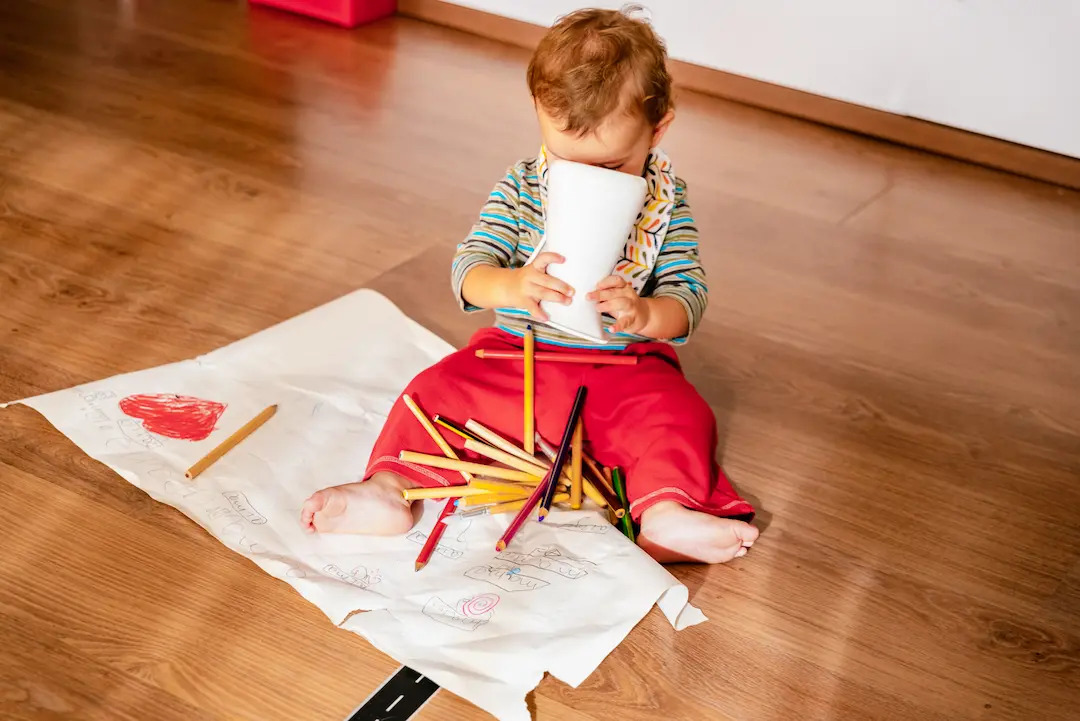
During their second year, neural circuits in the prefrontal cortex multiply at an extraordinary rate. This area is responsible for what are known as “executive functions.” These are cognitive processes that allow us to adapt our behavior to achieve a specific goal and to act in an organized way to reach an objective. The executive functions used by children include, among others: memory, inhibitory control (which helps resist distractions, stay focused, or regulate emotions), and cognitive flexibility (which helps us adapt strategies thanks to creativity).
The development of these neural circuits allows children to acquire new abilities.
Between ages 1 and 3, your child understands a little more each day about how their environment works. They organize new knowledge, which they must acquire one step at a time in order to fully absorb it. That’s why they “choose their battles.” They cannot make major progress in motor development and language development at the same time.
You may also notice that your child loves repetition. They learn by doing the same thing countless times. They want the same story, the same song, the same game over and over again.
Far from boring them, repetition helps them learn. They repeat, correct, improve, and progress. This progress boosts their confidence and encourages them to develop their abilities. For example, it is through repeating the same movements that a child eventually learns to walk. The same applies to speech: by hearing adults repeat the same word in different contexts, they will eventually figure out its meaning and remember it.
The developmental milestones mentioned above are only general guidelines regarding a baby’s development. Every child develops at their own pace! So don’t worry if your baby progresses faster or slower than another child.
However, if you notice a sudden halt in your child’s development, don’t hesitate to consult your healthcare professional.
Want to learn more? Feel free to download the May app, where you’ll find plenty of resources to support and guide you throughout your journey as a new parent.
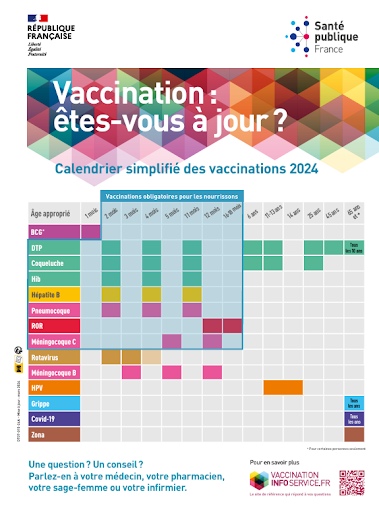
Pediatric appointments help monitor your child’s growth and development, but also detect potential medical issues early and keep their vaccination schedule up to date.
Vaccination plays a key role in strengthening your baby’s immune system, protecting them from potentially serious childhood diseases. At 14 months, it is important to make sure your child is up to date with the vaccines recommended in the vaccination schedule. Don’t hesitate to consult your pediatrician for more information.
At 14 months, your child can usually stand while holding onto support and may be starting to walk. Day by day, they become more familiar with their environment and love repetition. This second year promises to be full of learning!
**
Photos: joaquincorbalan | ImageSourceCur
This text was translated from French by an artificial intelligence. The information, advice, and sources it contains comply with French standards and may therefore not apply to your situation. Make sure to complement this reading by visiting the May US/UK app and consulting the healthcare professionals who are supporting you.
These resources might interest you
Armpit pain during pregnancy: causes, symptoms, and solutions