
There it is — your baby is blowing out their first birthday candle, what a year! During their second year, your child will go through extraordinary development: walking, early language, interactions…
12 month old baby: let’s take a look at this new stage.
Motor and Cognitive Development
Motor development in a baby includes learning physical skills and mastering bodily movements. At 12 months, your baby is in a full learning phase.
Motor development
Around 12 months, your baby is likely moving around with support and may move from one piece of furniture to another. Children generally start walking between 9 and 18 months. Why such a wide range? The more complex a skill is (sitting, standing, walking, language…), the greater the variation in the average age of acquisition.
How can you help them learn to walk? Actually, it’s generally discouraged to help too much! Babies don’t need a training plan to learn how to walk — their desire to explore naturally increases their motivation to move, guiding them at their own pace toward walking.
We therefore advise you not to “make your child walk” by holding their hands up in the air. This won’t make them walk sooner: as long as your child isn’t physically ready (tone, balance, coordination) and psychologically ready (separating, moving independently in the world), they will not be able to walk. In addition, the more you let them practice on their own, the better their balance and control of body movements will be.
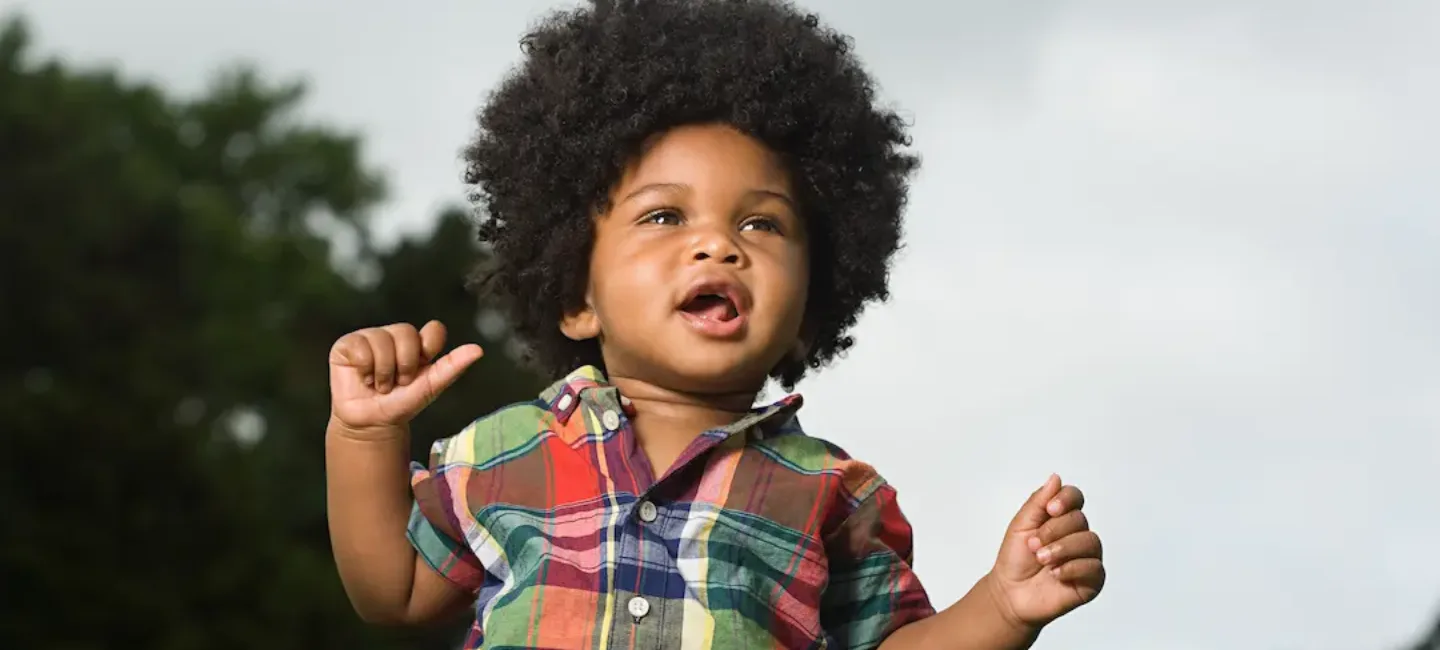
Once they stand firmly on their own, your baby may even be able to dance! Most babies instinctively move to music. Your baby reacts to music from birth (even in the womb!), and around age 1, they will likely dance by waving their hands or arms, bending their knees, or swaying. Before age 4 or 5, they aren’t able to learn precise movements by imitation, but don’t hesitate to play music and dance with them — they love it!
Cognitive development
Observing people and their environment is a key driver of learning. You’ve surely noticed that your child imitates you more and more. Imitation plays a major role in both motor development and socialization. And of course, you are their first role model!
- Unintentional imitation: thanks to mirror neurons, babies have imitation abilities from the first months (like opening their mouth when you open yours in front of them).
- Direct imitation: your child absorbs what they see and reproduces gestures right after seeing them, such as waving goodbye.
- “Deferred” imitation: gradually, around 18 months, they can reproduce an action later on, from a mental image. But before age 3 or 4, they cannot perform an action on command with full awareness of what they’re doing.
- Imitation through play: role-playing like pretend cooking, representational games like drawing, or scenes with figurines.
When should you worry?
The developmental milestones mentioned above are only general guidelines about how babies learn and grow. And every child develops at their own pace! So don’t worry if your baby progresses faster or slower than others.
However, if you notice a sudden stop in your child’s development, don’t hesitate to consult your healthcare professional.
Want to learn more? Feel free to download the May app, where you’ll find plenty of resources to support and guide you throughout your journey as a new parent.
Which shoes should I choose for my 12-month-old?
As long as your baby isn’t walking yet, bare feet are best because they help them feel their balance points. If you put slippers on them, choose a non-slip model that fits the shape of the foot.
When they start walking, choose shoes that:
- Are flexible (the sole should bend in half). For a long time, people thought babies needed stiff shoes for support, but they don’t. For your baby, wearing stiff shoes is a bit like you walking in ski boots!
- Are not too tight: your baby needs to be able to move their toes.
- Are not too high: it’s best if the shoe stops below the ankle bone so the ankle can move and your child can squat easily.
- Have a closure system that’s strong enough not to open while your child walks.
Also, choose new or barely used shoes, as shoes “mold” to the shape and pressure points of each child’s foot. 
Food and Nutrition
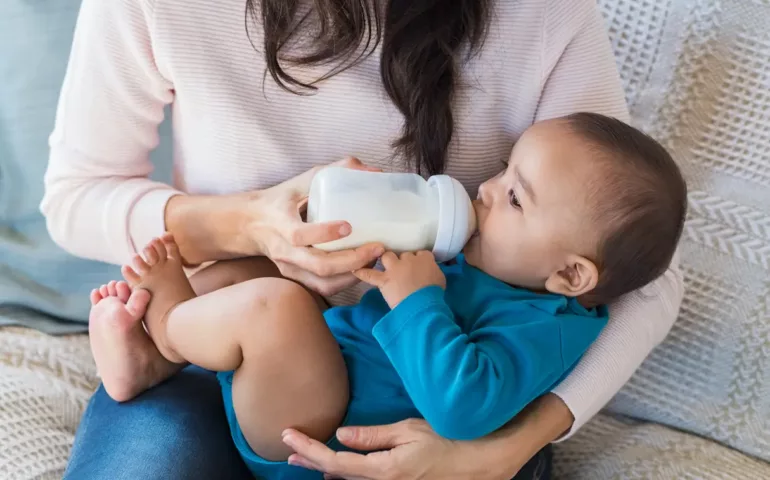
At 12 months, your baby still can’t go without milk entirely, but the amounts have decreased significantly compared with earlier months. Between 9 and 12 months, it is recommended to offer at least 500 ml of milk (or equivalent) per day, divided into 2 bottles (one in the morning and one at snack time, for example).
Good to know: you can replace bottles with dairy products made with infant milk if needed.
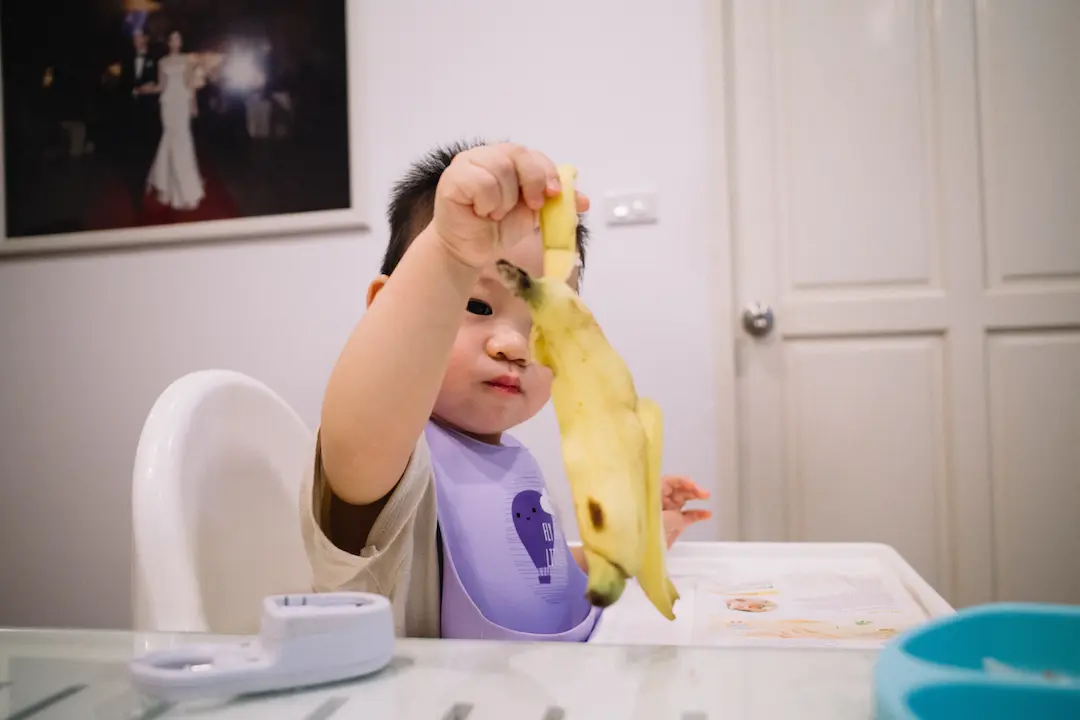
Alongside milk, your baby can continue exploring food diversification. They are beginning to eat like grown-ups, with small pieces introduced already for a few weeks.
Vaccines this month
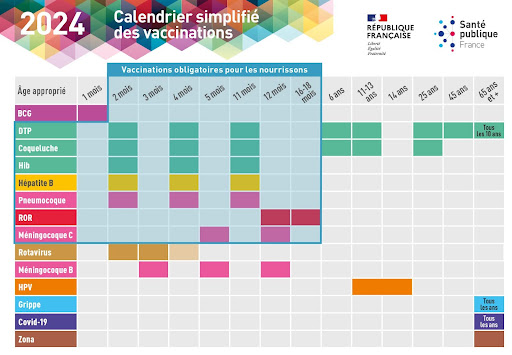
Pediatric checkups help monitor your child’s growth and development, as well as detect potential medical issues early and ensure they are up to date with their vaccination schedule.
Vaccination plays a key role in strengthening your baby’s immune system, protecting them from potentially serious childhood illnesses. At 12 months, your baby has at least two vaccines scheduled this month. Don’t hesitate to contact your pediatrician for more information.
At 12 months, your baby may be starting to walk — or even dance. They also imitate you more and more and are gradually moving toward more interactions. This second year is going to be incredible!
**
Photos: wikornr | imagesourcecurated | kookkaibuu
This text was translated from French by an artificial intelligence. The information, advice, and sources it contains comply with French standards and may therefore not apply to your situation. Make sure to complement this reading by visiting the May US/UK app and consulting the healthcare professionals who are supporting you.